Ac Not Working After Oil Change? Here’S What You Need To Know!
If your AC is not working after an oil change, it could be due to a few possible reasons. These include:
1. Disconnected wiring: During the oil change, the mechanic might have accidentally disconnected or damaged the wiring connected to the AC system.
2. Low refrigerant levels: If the refrigerant levels are low, it can affect the functioning of the AC system, leading to it not working properly after an oil change.
3. Clogged condenser: The condenser could become clogged with dirt, debris, or old oil, impacting the performance of the AC system.
4. Faulty compressor: It is also possible that the AC compressor has developed a fault coincidentally around the time of the oil change, causing the AC to stop working.
5. Electrical issue: There might be an electrical issue in the car that is unrelated to the oil change but coincidentally happened at the same time, affecting the AC system.
It is recommended to consult a professional mechanic to diagnose and fix the issue with your AC.
Did you know that getting your vehicle’s oil changed can have unexpected consequences? Imagine this scenario: You take your car in for a routine oil change, expecting everything to run smoothly as usual. However, after leaving the service center, you notice that something is off—your air conditioning system is no longer functioning.
Suddenly, you find yourself stuck in a sweltering car, longing for the cool relief of an icy blast. Frustrating, isn’t it? Well, fear not, because in this article, we will unravel the mystery behind why your AC is not working after an oil change and provide you with the knowledge you need to overcome this issue.
Whether you’re a novice car owner or an experienced auto enthusiast, understanding the connection between an oil change and your air conditioning is crucial to keeping your vehicle in optimal condition. So, let’s dive in and uncover the secrets that lie beneath the hood of your car.
I. Causes of AC not working after an oil change
A. Potential refrigerant leaks
1. Faulty O-rings
One of the possible causes of your AC not working after an oil change is a refrigerant leak. Faulty O-rings, which serve as seals in the AC system, may develop cracks or become worn over time. When these O-rings fail, refrigerant can escape and result in reduced cooling performance or a complete failure of the AC system.
2. Damaged refrigerant lines
Another reason for AC problems after an oil change could be damaged refrigerant lines. These lines transport refrigerant throughout the AC system, and if they become damaged or develop leaks, it can lead to a loss of refrigerant and subsequent AC malfunction.
3. Improper oil change procedure
In some cases, an improper oil change procedure can also cause AC issues. If the technician accidentally damages any AC components or fails to properly reinstall them after the oil change, it can disrupt the system’s functionality.
B. Compressor issues
1. Overfilled or underfilled with oil
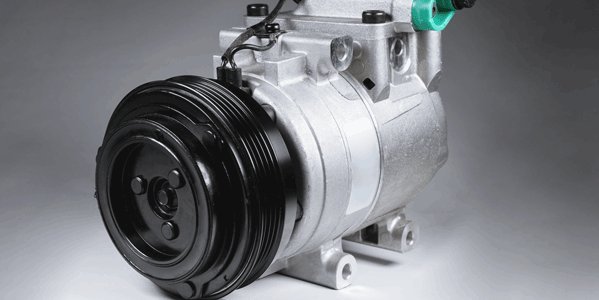
The compressor is a vital component of the AC system, and any issues with it can result in AC problems after an oil change. Overfilling or underfilling the compressor with oil can lead to improper lubrication and damage to the compressor, affecting its performance.
2. Compressor damage during oil change
If the technician is not careful during the oil change process, they may accidentally damage the compressor. A mishap such as hitting the compressor with a tool or dropping it can cause internal damage, leading to AC malfunctions.
3. Failed compressor clutch
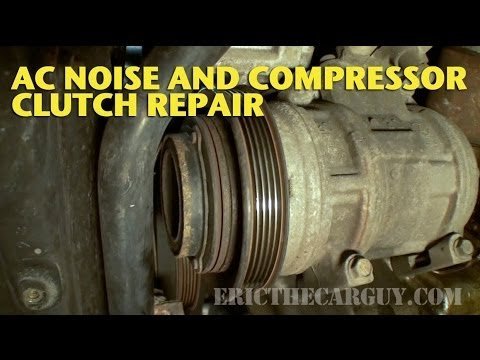
The compressor clutch is responsible for engaging and disengaging the compressor. If the clutch fails or becomes worn out, it can prevent the compressor from functioning properly and result in AC issues after an oil change.
C. Electrical problems
1. Disconnected or damaged wiring
Electrical problems can also cause your AC to stop working after an oil change. If the wiring connected to the AC system becomes disconnected or damaged during the oil change process, it can disrupt the electrical flow and prevent the AC from functioning.
2. Blown fuse or relay
A blown fuse or relay in the AC system can be another culprit behind AC malfunctions. These components protect the AC system from overloading or short circuits. If a fuse blows or a relay fails, it can interrupt the electrical circuit and result in AC problems.
3. Faulty AC control module
The AC control module is responsible for regulating and controlling the AC system’s functions. If the control module develops a fault after an oil change, it can cause communication issues and prevent the AC from operating correctly.
II. Troubleshooting steps for AC not working after an oil change
A. Check for visible refrigerant leaks
1. Inspect O-rings and refrigerant lines
If your AC is not working after an oil change, the first step in troubleshooting is to check for any visible refrigerant leaks. Carefully inspect the O-rings and refrigerant lines for any signs of damage, such as cracks or oil stains. These indications can help pinpoint the source of the leak.
2. Use UV dye or refrigerant leak detection kit
If the refrigerant leak is not immediately apparent, you can use UV dye or a refrigerant leak detection kit to identify the location of the leak. These products contain a fluorescent dye that becomes visible under UV light, making it easier to detect leaks in the AC system.
B. Verify compressor functionality
1. Check oil level and condition
Next, you should check the oil level and condition in the compressor. Ensure that the compressor is neither overfilled nor underfilled with oil. Additionally, inspect the oil for any signs of contamination or debris, as these can indicate internal compressor damage.
2. Test compressor clutch engagement
To determine if the compressor clutch is functioning correctly, you can perform a clutch engagement test. Start the engine and turn on the AC. Observe if the compressor clutch engages and disengages as it should. If it remains disengaged or continuously engaged, there may be an issue with the clutch.
3. Measure compressor performance using gauges
Using AC pressure gauges, measure the high and low side pressures in the AC system. Compare the readings to the manufacturer’s specifications to determine if the compressor is operating within the proper range. Deviations from the recommended pressures can indicate compressor issues.
C. Assess electrical connections and components
1. Inspect and test wiring for continuity
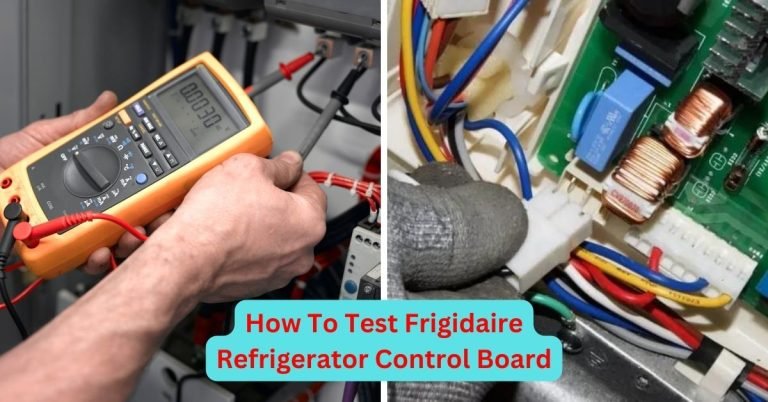
Inspect all wiring connected to the AC system for any signs of damage or disconnection. Use a multimeter to test the wiring for continuity, ensuring that the electrical circuit remains intact. Repair or replace any damaged wires to restore proper electrical flow.
2. Verify proper operation of fuses and relays
Check the fuses and relays related to the AC system to ensure they are functioning correctly. Replace any blown fuses or faulty relays with new ones of the appropriate rating. This step can eliminate electrical issues that may be causing the AC malfunction.
3. Diagnose AC control module for any faults
If all other electrical components appear to be in working order, you may need to diagnose the AC control module. Use a diagnostic tool compatible with your vehicle’s make and model to scan the control module for any fault codes or errors. Address any identified issues accordingly.
III. Addressing refrigerant leaks
A. Replace faulty O-rings
If you discover that the O-rings in your AC system are faulty and causing refrigerant leaks, you will need to replace them. Carefully disconnect the affected O-rings and replace them with new ones of the correct size and material. Ensure proper sealing to prevent future leaks.
B. Repair or replace damaged refrigerant lines
For damaged or leaking refrigerant lines, the best course of action is to repair or replace them. If the damage is minor, professional technicians can often repair the lines. However, if the damage is extensive or the lines are severely corroded, replacement may be necessary to ensure proper AC function.
C. Properly reseal any connections or fittings
During the repair process, it is essential to properly reseal all connections and fittings in the AC system. Use the appropriate sealing materials, such as O-rings or gaskets, and ensure a secure and airtight connection. This step will help prevent future refrigerant leaks and maintain AC performance.
IV. Resolving compressor issues
A. Drain and refill compressor with correct oil level
If the compressor was overfilled or underfilled with oil, you will need to drain and refill it with the correct oil level. Consult your vehicle’s manufacturer specifications or service manual to determine the appropriate oil type and quantity for your compressor. Use a proper oil extraction or draining method to avoid contamination.
B. Repair or replace damaged compressor components
In the case of compressor damage, certain components may need repair or replacement. Depending on the extent of the damage, you may need to replace internal valve plates, pistons, or bearings. It is crucial to have a professional technician diagnose the specific issue and carry out the necessary repairs or replacements.
C. Troubleshoot and fix compressor clutch problems
If the compressor clutch is not engaging or disengaging properly, troubleshooting and fixing the problem may involve various steps. You may need to check the electrical connections to the clutch, test the clutch coil, or replace the entire clutch assembly if necessary. Seek professional assistance if you are unsure or uncomfortable performing these tasks.
V. Resolving electrical problems
A. Repair or replace damaged wiring
If you find any damaged wiring in the AC system, it is crucial to repair or replace them. Cut out the damaged sections of wiring and use proper splicing techniques to connect new wiring. Ensure that the connections are secure and provide good electrical conductivity to restore the AC system’s functionality.
B. Replace blown fuses or relays
If a blown fuse or faulty relay is identified as the cause of the AC malfunction, replace the defective component with a new one of the appropriate rating. Refer to your vehicle’s manual or consult a professional technician for the correct fuse or relay specifications. Make sure to follow proper installation procedures.
C. Diagnose and repair issues with the AC control module
If all other electrical components appear to be functioning correctly, but AC control module issues persist, further diagnostic and repair steps may be necessary. Professional technicians can use advanced diagnostic tools to pinpoint specific faults within the module and undertake the required repairs or replacements.
VI. Other potential factors affecting AC performance after an oil change
A. Incorrect refrigerant type or amount
Using the incorrect refrigerant type or amount can lead to AC problems after an oil change. Different vehicles require specific refrigerants, and exceeding or insufficiently charging the system can result in poor cooling performance. Consult your vehicle’s specifications or a professional technician to ensure the proper refrigerant is used and filled to the appropriate level.
B. Air in the system
If air gets into the AC system during an oil change, it can disrupt its operation and reduce cooling efficiency. Air can enter through improper procedures, such as using an incorrect filling technique or not evacuating the system properly. Proper vacuuming and evacuation techniques should be followed to remove air from the AC system.
C. Clogged or restricted expansion valve or orifice tube
A clogged or restricted expansion valve or orifice tube can impede the flow of refrigerant in the AC system. This can result in reduced cooling performance or complete AC failure. If other troubleshooting steps do not resolve the issue, a professional technician may need to inspect and clean or replace these components.
D. Faulty temperature sensors or switches
Temperature sensors and switches play a crucial role in regulating the AC system’s operation. If these components become faulty or fail, they can disrupt the cooling performance. A proper diagnosis by a professional technician can determine if any sensors or switches need replacement or recalibration to restore AC functionality.
VII. Prevention tips for ensuring AC functionality after an oil change
A. Choose a reputable and knowledgeable service provider
When getting an oil change, it is essential to choose a reputable and knowledgeable service provider. They should have expertise in handling both oil changes and AC systems, ensuring that proper procedures are followed and AC components are not compromised during the service.
B. Use the correct oil and refrigerant specifications
Always use the correct oil and refrigerant specifications recommended by the vehicle manufacturer. Refer to the owner’s manual or consult a professional technician to ensure the appropriate oil viscosity and refrigerant type are used during the oil change. This helps maintain the optimal performance of both the engine and the AC system.
C. Follow proper oil change procedures
To minimize the risk of AC issues after an oil change, it is crucial to follow proper oil change procedures. This includes using the correct tools, techniques, and torque specifications when removing and reinstalling components. Adhering to the recommended procedures helps prevent accidental damage to AC-related components.
D. Regularly inspect and maintain the AC system
Regularly inspecting and maintaining the AC system can help identify and address potential issues before they escalate. Check for signs of refrigerant leaks, perform routine AC performance tests, and ensure all electrical connections are secure. Regular maintenance helps keep the AC system in optimal condition and reduces the risk of malfunctions.
VIII. When to seek professional assistance
A. If unable to identify or resolve the problem
If you are unable to identify the cause of your AC issues or if you have attempted troubleshooting steps without success, it is advisable to seek professional assistance. Professional technicians have the necessary knowledge, experience, and diagnostic tools to accurately diagnose and resolve complex AC problems.
B. Lack of technical knowledge or expertise
If you do not have sufficient technical knowledge or expertise in automotive systems, it is best to leave AC-related issues to professional technicians. Attempting complex repairs or modifications without the necessary skills can lead to further damage and potentially void warranty coverage.
C. Safety concerns or risks
If you encounter any safety concerns or risks during the troubleshooting process, it is crucial to prioritize your safety and the safety of others. Examples include electrical hazards or the release of refrigerant. In such situations, immediately seek professional assistance or consult a qualified technician.
IX. Common misconceptions about AC not working after an oil change
A. Myth: Oil change itself causes AC issues
A common misconception is that the oil change process itself causes AC issues. However, it is usually the result of unrelated factors such as refrigerant leaks, compressor problems, or electrical issues. The oil change process can indirectly lead to AC malfunctions if AC components are mishandled during the service.
B. Myth: Adding more refrigerant will fix the problem
Another misconception is that adding more refrigerant will fix AC problems after an oil change. While low refrigerant levels can affect AC performance, simply adding more refrigerant without addressing the underlying issue will not solve the problem. It is important to identify and resolve the root cause of the malfunction.
C. Myth: AC problems are unrelated to the oil change
Some may believe that AC problems after an oil change are purely coincidental and unrelated to the service. However, there is a connection between the two, primarily through mishandling or accidental damage to AC components during the oil change. Understanding this relationship can help diagnose and address AC issues effectively.
X. Conclusion
AC problems after an oil change can be frustrating and inconvenient. By understanding the potential causes and following the troubleshooting steps outlined in this article, you can identify and resolve the issues affecting your AC system. Remember to observe preventive measures, such as choosing a reputable service provider and following proper oil change procedures, to minimize the risk of AC malfunctions. If in doubt or unable to resolve the problem, always seek professional assistance to ensure the optimal performance of your vehicle’s AC system.
How to Change Your Oil (COMPLETE Guide)
Frequently Asked Questions (FAQ)
Why is my AC not working after an oil change?
Can an oil change affect the AC system?
What should I do if my AC stopped working after an oil change?
How much does it cost to repair an AC that stopped working after an oil change?
How can I prevent my AC from being affected during an oil change?
Conclusion: Troubleshooting and Preventing AC Issues After an Oil Change
In conclusion, experiencing AC issues after an oil change can be a frustrating problem. There are several potential causes for this problem, including refrigerant leaks, compressor issues, and electrical problems.
Faulty O-rings, damaged refrigerant lines, and improper oil change procedures can lead to refrigerant leaks. Overfilled or underfilled compressors, compressor damage, and failed compressor clutches can all affect the functionality of the compressor.
Disconnected or damaged wiring, blown fuses, and faulty AC control modules can cause electrical problems in the AC system. To troubleshoot AC problems after an oil change, you can check for visible refrigerant leaks, verify compressor functionality, and assess electrical connections and components. If refrigerant leaks are found, faulty O-rings should be replaced and damaged refrigerant lines should be repaired or replaced.
For compressor issues, the correct oil level should be maintained and damaged compressor components should be repaired or replaced. Electrical problems can be resolved by repairing or replacing damaged wiring, replacing blown fuses or relays, and diagnosing and repairing issues with the AC control module. To prevent AC issues after an oil change, it is important to choose a reputable service provider, use the correct oil and refrigerant specifications, follow proper oil change procedures, and regularly inspect and maintain the AC system.