2015 Chevy Cruze Ac Not Working? Troubleshoot And Fix The Issue Today!
There are common reasons why the AC in a 2015 Chevy Cruze may not be working properly. Some possible causes include a faulty compressor or refrigerant leaks. Troubleshooting and resolving the issue can help reclaim the cool comfort of the AC.
Imagine cruising down the highway on a sweltering summer day, seeking solace in the cool embrace of your 2015 Chevy Cruze’s air conditioning. But as you anxiously press the AC button, a wave of disappointment washes over you—the system is not working.
A frustrating scenario, indeed. You are not alone.
Countless Chevy Cruze owners have experienced the same issue: an air conditioning system that fails to provide relief when needed the most. Before you resign yourself to a summer of sticky discomfort, take heart. In this article, we will delve into the common reasons why your 2015 Chevy Cruze’s AC may not be functioning as it should.
From a faulty compressor to refrigerant leaks, we will guide you through the process of troubleshooting and resolving the issue. So buckle up, because it’s time to reclaim the cool comfort of your Chevy Cruze’s AC. Get ready to troubleshoot and fix the problem today!
I. Common Causes of AC Not Working in 2015 Chevy Cruze
A. Low refrigerant levels
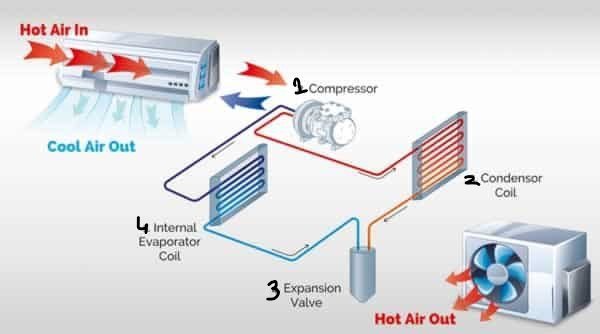
One of the most common causes of an AC system malfunction in a 2015 Chevy Cruze is low refrigerant levels. The refrigerant is responsible for absorbing heat from the air and cooling it down before it is circulated back into the cabin. If the refrigerant levels are low, the AC system will not be able to cool the air effectively.
B. Faulty compressor
The compressor is a vital component of the AC system as it is responsible for compressing the refrigerant and circulating it throughout the system. If the compressor is faulty or damaged, it will not be able to effectively pressurize the refrigerant, leading to a lack of cold air.
C. Electrical issues
Electrical issues can also cause the AC system in a 2015 Chevy Cruze to stop working. These issues can range from a blown fuse to a malfunctioning AC control module. If there is a disruption in the electrical flow, the AC system will not receive the necessary power to function properly.
D. Clogged condenser
The condenser plays a crucial role in the cooling process as it releases heat from the refrigerant, allowing it to cool down. Over time, the condenser can become clogged with dirt, debris, or other contaminants, hindering its ability to effectively dissipate heat. This can result in reduced cooling performance or a complete AC system failure.
II. Diagnostic Steps for Troubleshooting AC Issues
A. Checking refrigerant levels
1. Using pressure gauges
To determine if low refrigerant levels are causing the AC system to malfunction, you can use pressure gauges specifically designed for AC systems. These gauges will allow you to measure the pressure of the refrigerant and determine if it falls within the acceptable range.
2. Identifying low levels
If the pressure reading indicates low refrigerant levels, it is a clear indication that there is a leak in the system. Locating and repairing the leak will be necessary to restore optimal AC functionality.
B. Inspecting the compressor
1. Listening for unusual sounds
Start by listening for any unusual sounds coming from the compressor when the AC is turned on. Grinding, squealing, or rattling noises can indicate a fault or damage to the compressor.
2. Checking compressor clutch engagement
Another way to determine if the compressor is functioning properly is to check if the compressor clutch engages when the AC is turned on. The clutch should engage and disengage smoothly, allowing the compressor to cycle on and off as needed.
C. Testing electrical components
1. Inspecting fuses and relays
Check the fuses and relays related to the AC system to ensure they are not blown or faulty. Replace any damaged fuses or relays to restore the electrical flow to the AC system.
2. Verifying proper voltage and continuity
Using a multimeter, verify the voltage and continuity of the electrical connections and components in the AC system. This will help identify any issues with the wiring or electrical components that may be preventing the AC system from functioning.
3. Checking AC control module
If all other electrical components appear to be working properly, it may be necessary to check the AC control module. The control module regulates the operation of the AC system and can be tested using specialized diagnostic tools.
D. Cleaning or replacing the condenser
1. Identifying debris or blockages
Inspect the condenser for any debris, dirt, or blockages that may be obstructing the airflow. This can impede the cooling process and cause the AC system to malfunction.
2. Flushing the condenser
If the condenser is heavily contaminated or clogged, it may be necessary to flush it using specialized cleaning solutions or water. This will help remove any built-up dirt or debris and restore its ability to dissipate heat effectively.
III. DIY Fixes for AC Issues
A. Recharging refrigerant
1. Locating the low-pressure port
To recharge the refrigerant in a 2015 Chevy Cruze, locate the low-pressure port. The port is typically located near the AC compressor and can be identified by its blue or black color.
2. Using a refrigerant recharge kit
Use a refrigerant recharge kit specifically designed for automotive AC systems. Follow the instructions provided with the kit to safely and effectively recharge the refrigerant levels in your Chevy Cruze.
B. Replacing the compressor
1. Gathering necessary tools
Before replacing the compressor, gather the necessary tools, including wrenches, sockets, and a refrigerant recovery machine. Additionally, ensure you have the correct replacement compressor for your specific model of Chevy Cruze.
2. Removing old compressor and installing new one
Disconnect the electrical connections, refrigerant lines, and mounting bolts securing the old compressor. Once removed, install the new compressor in the reverse order, ensuring all connections are tight and secure.
C. Repairing electrical connections
1. Identifying loose or damaged wires
Thoroughly inspect the electrical connections in the AC system for loose or damaged wires. Secure any loose connections and replace any damaged wires or connectors.
2. Using appropriate connectors and tools
When repairing electrical connections, use appropriate connectors and tools to ensure a secure and reliable connection. Improper connectors or tools can lead to further electrical issues or system failures.
D. Cleaning or replacing the condenser
1. Removing debris or obstructions
If the condenser is dirty or clogged, remove any debris or obstructions using compressed air, a soft brush, or a vacuum. Ensure all surfaces are clean and free from contaminants.
2. Rinsing with water or using specialized cleaning solutions
If a simple cleaning is not sufficient, rinse the condenser with water or use specialized cleaning solutions specifically designed for automotive AC systems. Follow the instructions provided with the cleaning product for the best results.
IV. When to Seek Professional Help
A. Complex electrical issues
1. Lack of expertise and specialized tools
If you encounter complex electrical issues during the troubleshooting process or lack the necessary expertise and specialized tools, it is advisable to seek professional help. Certified technicians have the knowledge and equipment to diagnose and repair intricate electrical problems.
2. Potential risk of causing further damage
Attempting to fix complex electrical issues without the proper knowledge or tools can pose a risk of causing further damage to the AC system or other electrical components in the vehicle. Professional help can mitigate this risk.
B. Refrigerant leaks
1. Specialized equipment required for detection and repair
Refrigerant leaks can be challenging to detect and repair without specialized equipment. Professional technicians have access to leak detection tools and can effectively locate and repair refrigerant leaks.
C. Lack of AC system knowledge
1. Professional opinion and guidance necessary
If you are unfamiliar with the intricacies of automotive AC systems, seeking professional opinion and guidance is essential. Certified technicians can provide expert advice and recommendations based on their extensive knowledge and experience.
D. Warranty considerations
1. Preserve warranty coverage by seeking professional help
If your 2015 Chevy Cruze is covered by a warranty, seeking professional help for AC system repairs ensures that the warranty coverage remains intact. Performing unauthorized repairs or modifications can void the warranty.
V. Cost Considerations and Options
A. DIY vs. Professional Repairs
1. Comparison of costs for parts and tools
Consider the costs of parts and tools required for DIY repairs versus the cost of professional repairs. While DIY repairs may seem more affordable initially, investing in professional repairs can ensure the job is done correctly the first time, potentially saving you money in the long run.
2. Evaluating skill level and time investment
Assess your skill level and the time investment required for DIY repairs. Complex repairs or lack of experience can result in extended repair times or inadequate fixes. Professional technicians can complete the repairs efficiently, saving you time and frustration.
B. Repair vs. Replacement
1. Assessing the overall condition of the AC system
Consider the overall condition of the AC system when deciding between repair and replacement. If the system is old, and multiple components are failing, it may be more cost-effective to invest in a new AC system.
2. Weighing repair costs against potential benefits of a new system
Weigh the costs of repairs against the potential benefits of a new AC system. Newer systems may provide improved energy efficiency, performance, and reliability, making them a worthwhile investment in the long term.
VI. Maintenance Tips to Prevent AC Issues
A. Regularly check refrigerant levels
Monitor the refrigerant levels in your 2015 Chevy Cruze’s AC system regularly. If you notice a gradual decrease in cooling performance, it may indicate a refrigerant leak that needs to be addressed promptly.
B. Keep condenser clean
Regularly clean the condenser to prevent dirt, debris, and contaminants from obstructing airflow. This will ensure optimal heat dissipation and maintain the efficiency of the AC system.
C. Inspect and maintain electrical connections
Inspect the electrical connections in the AC system for loose or damaged wires. Repair or replace any faulty connections to prevent electrical issues that can affect the functioning of the AC system.
D. Schedule routine AC system inspections
Consider scheduling routine inspections of your Chevy Cruze’s AC system with a certified technician. These inspections can help identify potential issues before they become major problems, ensuring your AC system remains in optimal condition.
VII. Conclusion
Don’t let a malfunctioning AC system ruin your driving experience in your 2015 Chevy Cruze. By understanding the common causes of AC issues and following the troubleshooting and repair steps outlined in this article, you can reclaim the cool comfort of your vehicle. Whether you choose to tackle the repairs yourself or seek professional help, remember to prioritize safety and quality to ensure a properly functioning AC system. Regular maintenance and inspections will also help prevent future AC issues, keeping you cool and comfortable on the road.
How to Find AC Leaks in Your Car (UV Dye)
Why is the AC in my 2015 Chevy Cruze not working?
How much does it cost to fix the AC in a 2015 Chevy Cruze?
Can I recharge the AC in my 2015 Chevy Cruze myself?
What are some signs of a bad AC compressor in a 2015 Chevy Cruze?
How long does it take to fix the AC in a 2015 Chevy Cruze?
Conclusion: Troubleshooting and Maintaining Your 2015 Chevy Cruze’s AC System
In conclusion, if you are experiencing AC issues in your 2015 Chevy Cruze, there are several common causes to consider. Low refrigerant levels, a faulty compressor, electrical issues, and a clogged condenser are all potential culprits.
To troubleshoot these issues, you can check refrigerant levels, inspect the compressor, test electrical components, and clean or replace the condenser. For DIY fixes, you can recharge the refrigerant, replace the compressor, repair electrical connections, and clean or replace the condenser.
However, it’s important to know when to seek professional help, especially for complex electrical issues, refrigerant leaks, or if you lack AC system knowledge. Consider the costs and time investment for both DIY and professional repairs, as well as whether repair or replacement is the best option based on the overall condition of your AC system. Regular maintenance, such as checking refrigerant levels, keeping the condenser clean, inspecting electrical connections, and scheduling routine AC system inspections, can help prevent future AC issues.
By understanding the common causes of AC issues in your 2015 Chevy Cruze and following the appropriate troubleshooting steps, you can reclaim the comfort of a properly functioning AC system. Whether you choose DIY repairs or seek professional help, prioritize safety and quality to ensure the best results. Stay cool and comfortable on the road with a well-maintained AC system.