Why Is My Ac Gauge Going Up And Down? Find Out The Reasons And Solutions
The AC gauge fluctuating up and down could indicate issues with system pressure, cooling efficiency, or potential malfunctions. It is crucial to understand the causes and solutions to maintain the efficiency and longevity of your cooling system. This comprehensive guide will help you diagnose and address the issue effectively.
Picture this: it’s a scorching summer afternoon, and you’re desperately seeking refuge from the oppressive heat in the cool embrace of your air-conditioned home. As you adjust the thermostat, you notice something puzzling – the AC gauge is fluctuating, rising and falling like a rollercoaster ride.
But what does it mean? Why is your AC gauge going up and down? Understanding the reasons behind this phenomenon is crucial for homeowners and individuals who own or operate HVAC systems. It holds the key to maintaining the efficiency and longevity of your cooling system.
Fluctuating AC gauges can indicate underlying issues with system pressure, cooling efficiency, or even potential malfunctions that require immediate attention. In this article, we dive deep into the causes and solutions for the unsettling fluctuation of your AC gauge. Whether you’re a novice or have some knowledge of AC functioning, this comprehensive guide will equip you with the understanding to diagnose and address the issue effectively.
So, let’s embark on this journey and unravel the mysteries behind your AC gauge’s erratic behavior.
I. Understanding AC Gauges
Before delving into the reasons behind fluctuating AC gauges, it’s essential to have a clear understanding of what AC gauges are, their function, and their importance in HVAC systems.
A. Introduction to AC Gauges
AC gauges, also known as manifold gauges, are diagnostic tools used to measure pressure levels in air conditioning systems. The gauges typically consist of two separate pressure gauges – a low-pressure gauge and a high-pressure gauge – along with valves and hoses for connecting to the AC system.
The low-pressure gauge measures the pressure on the suction or vapor side of the AC system, while the high-pressure gauge measures the pressure on the discharge or liquid side of the system. Together, these gauges provide valuable insights into the system’s performance and help diagnose any issues.
B. Function of AC Gauges
The primary function of AC gauges is to monitor and assess the pressure levels of refrigerant within the AC system. Refrigerant is responsible for absorbing heat from the indoor air and releasing it outside, effectively cooling the interior of a building.
AC gauges allow HVAC technicians to measure the pressure on both the low and high sides of the AC system, enabling them to determine if the system is operating within optimal parameters. Proper pressure levels are crucial for the efficient and effective cooling of the space.
C. Importance of AC Gauges in HVAC Systems
AC gauges play a vital role in HVAC systems for several reasons:
- Diagnosis: AC gauges provide valuable information that helps HVAC technicians diagnose problems within the system. By analyzing the pressure readings, technicians can identify issues such as low refrigerant charge, restricted refrigerant flow, or compressor malfunctions.
- Performance Evaluation: Monitoring the pressure levels with AC gauges allows technicians to evaluate the performance of the AC system. Deviations from normal pressure ranges can indicate inefficiencies or malfunctions that need to be addressed.
- Maintenance: Regularly using AC gauges during maintenance checks helps ensure that the system is operating optimally. By monitoring pressure levels, technicians can identify potential issues before they escalate, preventing costly repairs and ensuring the longevity of the system.
- Efficiency: AC gauges assist in optimizing the efficiency of HVAC systems. By maintaining proper pressure levels, the system can achieve optimal cooling performance while minimizing energy consumption.
Now that we have a solid understanding of AC gauges and their significance, let’s explore the common reasons behind fluctuating AC gauge readings.
II. Common Reasons for AC Gauge Fluctuations
Fluctuating AC gauge readings can be indicative of various underlying issues within the HVAC system. Understanding these reasons is crucial for effectively diagnosing and addressing the problem. Let’s explore the most common causes of AC gauge fluctuations:
A. Insufficient Refrigerant Charge
One of the primary reasons for AC gauge fluctuations is an insufficient refrigerant charge in the system. Refrigerant is the lifeblood of an AC system, responsible for absorbing heat from the indoor air and releasing it outside. When the refrigerant charge is low, it can lead to erratic pressure readings on the AC gauges.
1. Effects of Low Refrigerant Charge
Low refrigerant charge can have several adverse effects on the performance of an AC system:
- Reduced Cooling Capacity: Insufficient refrigerant charge hampers the system’s ability to absorb heat from the indoor air effectively, resulting in reduced cooling capacity.
- Poor Airflow: Low refrigerant levels can lead to inadequate airflow through the AC system, compromising its overall efficiency.
- Compressor Overheating: When the refrigerant charge is low, the compressor may overheat as it works harder to maintain the desired cooling temperatures.
2. Impact on AC Gauge Readings
Insufficient refrigerant charge often leads to lower pressure readings on the low-pressure gauge. As the refrigerant level decreases, the suction pressure decreases, causing the gauge to fluctuate or display abnormally low readings.
3. Causes of Low Refrigerant Charge
Low refrigerant charge can occur due to various reasons:
- Refrigerant Leaks: Over time, the AC system may develop leaks, causing refrigerant to escape. Common areas for leaks include faulty connections, deteriorated seals, or damaged components.
- Inadequate Initial Charge: During installation or servicing, an incorrect refrigerant charge may be added to the system, resulting in low levels.
- Improper Refrigerant Recovery: When the system is serviced or repaired, improper recovery of refrigerant can lead to a low charge.
B. Restrictions in Refrigerant Flow
Another common reason for AC gauge fluctuations is a restriction in the flow of refrigerant within the system. Restrictions can occur due to various factors and significantly impact the pressure readings on the AC gauges.
1. Signs of Refrigerant Flow Restriction
Some signs that indicate a possible refrigerant flow restriction include:
- Reduced Cooling Performance: When refrigerant flow is restricted, the system’s cooling performance is compromised.
- Higher Energy Consumption: Restrictions in refrigerant flow may cause the system to work harder, leading to increased energy consumption.
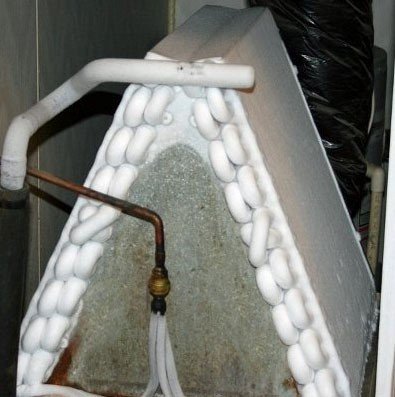
- Ice Buildup: Insufficient refrigerant flow can result in ice buildup on the evaporator coil or refrigerant lines.
- Abnormally High Pressure Readings: AC gauges may display higher-than-normal pressure readings on the high-pressure side due to restricted flow.
2. Impact on AC Gauge Readings
Refrigerant flow restrictions typically cause higher pressure readings on the high-pressure gauge. As the refrigerant encounters obstructions in the system, it builds up pressure, resulting in fluctuating or abnormally high readings on the gauge.
3. Causes of Refrigerant Flow Restrictions
Several factors can contribute to refrigerant flow restrictions:
- Refrigerant Line Blockages: Debris, dirt, or ice accumulation can obstruct the refrigerant lines, impeding the flow of refrigerant.
- Restriction Devices: Faulty or improperly sized expansion valves, capillary tubes, or metering devices can cause restrictions in refrigerant flow.
- Compressor Issues: Mechanical problems with the compressor, such as a failing valve or damaged piston rings, can restrict refrigerant flow.
C. Compressor Issues
The compressor is a critical component of an AC system, responsible for pressurizing the refrigerant and maintaining the flow throughout the system. Any issues with the compressor can lead to abnormal AC gauge readings.
1. Impact of Compressor Problems on AC Gauge Readings
Compressor problems can directly affect the pressure readings on the AC gauges:
- Low Refrigerant Compression: If the compressor is unable to compress the refrigerant properly, it can result in lower-than-normal pressure readings on both the low and high sides.
- High Discharge Pressure: A failing compressor can generate higher-than-normal discharge pressures, leading to fluctuating or abnormally high pressure readings on the high-pressure gauge.
2. Possible Compressor Issues
Several issues can affect the performance of the compressor:
- Electrical Problems: Faulty wiring, capacitors, or relays can disrupt the compressor’s electrical supply, affecting its operation.
- Oil Issues: Insufficient lubrication or the presence of contaminants in the compressor’s oil can hinder its functionality.
- Mechanical Failures: Worn-out piston rings, damaged valves, or a faulty motor can all impact the compressor’s ability to compress refrigerant effectively.
D. Ambient Temperature Variations
The ambient temperature surrounding the AC system can also influence the readings on the AC gauges. Extreme temperature changes can lead to fluctuations in the pressure readings, causing concerns for homeowners.
1. Influence of Ambient Temperature on AC Gauge Readings
Fluctuations in the ambient temperature can impact the readings on the AC gauges:
- Higher Ambient Temperature: During hot summer days, when the ambient temperature rises, the pressure readings on the gauges may increase.
- Lower Ambient Temperature: Conversely, in colder weather, the pressure readings may decrease due to the lower ambient temperature.
2. Effects of Extreme Temperature Changes
Extreme temperature changes can affect the system’s performance and overall efficiency:
- Reduced Cooling Capacity: Higher ambient temperatures can decrease the system’s cooling capacity, leading to less effective cooling.
- Potential System Shutdown: Extremely high or low ambient temperatures can strain the AC system, potentially causing it to shut down to protect itself from damage.
Now that we’ve explored the common reasons for AC gauge fluctuations, let’s move on to troubleshooting these issues.
III. Troubleshooting AC Gauge Fluctuations
Troubleshooting AC gauge fluctuations involves identifying the root causes and implementing appropriate solutions. Here’s a step-by-step guide to assist you:
A. Checking for Refrigerant Leaks
1. Methods for Detecting Refrigerant Leaks
To check for refrigerant leaks, you can use the following methods:
- Visual Inspection: Inspect the AC system’s components, including refrigerant lines, coils, and connections, for signs of oil stains, corrosion, or physical damage indicating possible leaks.
- Electronic Leak Detectors: Utilize electronic leak detectors to detect refrigerant leaks by sensing the presence of refrigerant in the air.
- UV Dye: Add UV dye to the system, which will reveal leaks when illuminated with UV light.
- Pressure Testing: Perform a pressure test by pressurizing the system with nitrogen and monitoring for any pressure drops, indicating potential leaks.
2. Repairing Refrigerant Leaks
If you discover refrigerant leaks, it’s essential to repair them promptly. Depending on the severity of the leaks, you may consider the following repair options:
- Replacing Faulty Components: If the leak is originating from a specific component, such as a damaged coil or connection, replace the faulty component.
- Repairing Leaks: For minor leaks, repair them by applying epoxy or a compatible sealant to the affected area.
- Recharging Refrigerant: After repairing the leaks, it’s crucial to recharge the system with the correct refrigerant charge.
B. Assessing Refrigerant Charge
1. Steps for Proper Refrigerant Charge Assessment
To assess the refrigerant charge accurately, follow these steps:
- Consult Equipment Specifications: Refer to the manufacturer’s specifications or the system’s service manual to determine the appropriate refrigerant charge for your system.
- Attach AC Gauges: Connect the AC gauges to the system’s suction and discharge ports to measure the pressure readings.
- Compare Readings: Compare the pressure readings on the gauges with the manufacturer’s recommended values to assess the refrigerant charge’s adequacy.
2. Correcting Refrigerant Charge Issues
If the refrigerant charge is determined to be inadequate, you may need to take the following corrective actions:
- Adding Refrigerant: If the charge is too low, add the appropriate amount of refrigerant according to the manufacturer’s specifications.
- Recovering Refrigerant: If the charge is too high, recover the excess refrigerant using proper recovery procedures.
C. Inspecting for Refrigerant Flow Restrictions
1. Techniques for Identifying Flow Restrictions
To identify refrigerant flow restrictions, consider the following techniques:
- Visual Inspection: Inspect the refrigerant lines, coils, and other components for visible blockages caused by debris, dirt, or ice buildup.
- Pressure Testing: Perform pressure tests on the system to identify any significant pressure drops that may indicate flow restrictions.
- Temporarily Removing Restriction Devices: Temporarily bypass or remove restriction devices, such as expansion valves or capillary tubes, to assess if the pressure readings stabilize.
2. Clearing Refrigerant Flow Restrictions
Clearing refrigerant flow restrictions requires the following actions:
- Cleaning Components: If debris or dirt is causing the flow restrictions, clean the affected components thoroughly.
- Thawing Ice Buildup: If ice buildup is restricting refrigerant flow, initiate a defrosting process to melt the ice.
- Replacing Faulty Components: If the restriction is caused by faulty or improperly sized restriction devices, consider replacing them.
D. Evaluating Compressor Functionality
1. Steps to Diagnose Compressor Issues
To evaluate the functionality of the compressor, follow these steps:
- Listen for Unusual Sounds: Start the AC system and listen for any unusual noises, such as grinding, squealing, or knocking, which may indicate compressor issues.
- Monitor Electrical Supply: Check the compressor’s electrical connections, capacitors, and relays for any signs of damage or electrical problems.
- Measure Voltage: Use a multimeter to measure the voltage supplied to the compressor to ensure that it’s receiving the correct power supply.
- Consider Compressor Cycling: Observe the compressor’s cycling patterns to determine if it’s running excessively or frequently turning on and off.
2. Repairing or Replacing the Compressor
If compressor issues are identified, you may need to take the following actions:
- Repairing Faulty Components: If the issue lies with specific components within the compressor, such as valves or motor windings, repair or replace them as necessary.
- Replacing the Compressor: In severe cases of compressor malfunction, it may be necessary to replace the entire compressor unit.
By following these troubleshooting steps, you can resolve many AC gauge fluctuation issues. However, to maintain consistent AC gauge readings, it’s crucial to implement preventive measures.
IV. Preventive Measures to Maintain Consistent AC Gauge Readings
Preventive maintenance is vital for keeping your AC system in optimal condition and ensuring consistent AC gauge readings. Here are some preventive measures you can take:
A. Regular AC System Maintenance
1. Importance of Maintenance for AC Gauge Stability
Regular maintenance is essential for maintaining the stability of AC gauges and the overall performance of the system. Routine inspections and servicing help identify and address potential issues before they escalate into major problems.
2. Components to Inspect during Maintenance
During AC system maintenance, focus on inspecting the following components:
- Refrigerant Lines: Check for signs of leaks, blockages, or damage to the refrigerant lines.
- Coils: Inspect the evaporator and condenser coils for dirt, debris, or ice buildup that could affect heat transfer.
- Electrical Connections: Examine electrical connections, capacitors, and relays for any signs of damage or loose connections.
- Filters: Clean or replace air filters to ensure proper airflow and prevent dust and debris from accumulating.
- Thermostat: Verify that the thermostat is functioning correctly and accurately controlling the system’s operation.
B. Proper Refrigerant Charging Procedures
1. Importance of Accurate Refrigerant Charging
Accurate refrigerant charging is crucial for maintaining consistent AC gauge readings and optimal system performance. Improper refrigerant charge can lead to low cooling efficiency and increased energy consumption.
2. Steps for Proper Refrigerant Charging
When charging the refrigerant, follow these steps:
- Refer to Manufacturer Specifications: Consult the manufacturer’s specifications or the system’s service manual to determine the correct refrigerant charge.
- Use a Scale: Utilize a refrigerant scale to measure and add the precise amount of refrigerant required.
- Monitor Pressure Readings: Continuously monitor the pressure readings on the AC gauges to ensure that they remain within the manufacturer’s recommended range.
C. Monitoring Ambient Temperatures
1. Impact of Ambient Temperature on AC Systems
Ambient temperature has a significant impact on the performance and operation of AC systems. Monitoring the ambient temperature allows you to adjust the system settings and anticipate potential issues.
2. Adjustments for Extreme Temperature Conditions
During extreme temperature conditions, take the following adjustments into consideration:
- Temperature Settings: Adjust the temperature settings on the thermostat to ensure optimal comfort without overburdening the AC system.
- Ventilation: Enhance the system’s ventilation by using fans or opening windows during cooler periods to reduce the workload on the AC system.
- Shade: Provide shade for the outdoor unit to mitigate the impact of direct sunlight and high ambient temperatures.
By implementing these preventive measures, you can maintain consistent AC gauge readings, optimize system performance, and extend the lifespan of your AC system.
V. Seeking Professional Help
While troubleshooting and preventive measures can address many AC gauge fluctuations, there may be instances where professional help is necessary. Here’s when you should consider reaching out to an HVAC technician:
A. When to Contact an HVAC Technician
Consider contacting an HVAC technician in the following scenarios:
- Complex Issues: If you encounter complex AC system problems or are unsure about the appropriate troubleshooting steps, it’s best to seek professional assistance.
- Refrigerant Handling: Working with refrigerant requires specialized knowledge and tools. Contact a professional for any refrigerant-related concerns.
- Electrical Work: If there are electrical issues with the AC system, it’s essential to consult an experienced technician to ensure safety and proper repairs.
- Warranty Considerations: If your AC system is still under warranty, it’s advisable to consult a professional technician authorized by the manufacturer to avoid voiding the warranty.
B. Benefits of Hiring a Professional
There are several benefits to hiring a professional HVAC technician:
- Expertise: HVAC technicians have the knowledge, experience, and training to accurately diagnose and repair complex AC system issues.
- Efficiency: Professionals can efficiently troubleshoot and resolve AC gauge fluctuations, minimizing downtime and inconvenience.
- Warranty Compliance: Hiring a professional ensures that any repairs or maintenance performed on your AC system comply with the manufacturer’s warranty requirements.
- Safety: HVAC technicians are well-versed in safety procedures and can handle refrigerants, electrical components, and other potentially hazardous elements safely.
C. Choosing the Right HVAC Technician
When selecting an HVAC technician, consider the following factors:
- Experience and Certifications: Look for technicians with significant experience and relevant certifications, indicating their expertise in the field.
- References and Reviews: Read reviews and seek references to ensure that the technician has a reputation for providing reliable and professional service.
- Cost and Service Guarantee: Compare pricing and inquire about any service guarantees or warranties offered by the technician or the HVAC company.
- Availability and Responsiveness: Choose a technician who is readily available and responsive, especially in the case of emergencies or urgent repairs.
By hiring a reputable HVAC technician, you can ensure that your AC system receives the professional care it requires.
VI. Conclusion
Fluctuating AC gauges can be a cause for concern, indicating underlying issues within your HVAC system. However, armed with the knowledge gained from this comprehensive guide, you’re now equipped to diagnose, troubleshoot, and address the most common causes of AC gauge fluctuations.
Remember, understanding AC gauges, identifying reasons for fluctuations, and implementing appropriate solutions are key to maintaining consistent AC gauge readings and optimal system performance. By performing regular maintenance, ensuring proper refrigerant charging, monitoring ambient temperatures, and seeking professional help when needed, you can enjoy reliable cooling comfort while maximizing the lifespan of your AC system.
Don’t let fluctuating AC gauges leave you in the heat. Take charge of your HVAC system and ensure a cool and comfortable environment all year round.
I can’t believe Mechanics don’t know How to Recharge AC system correctly!
Frequently Asked Questions (FAQ)
Why is my AC gauge going up and down?
What causes fluctuating pressure in the AC system?
How can I fix my AC gauge from going up and down?
Can I continue using my AC if the gauge is fluctuating?
How much will it cost to repair a fluctuating AC gauge?
Conclusion: The Significance of AC Gauges for Troubleshooting and HVAC System Performance
In conclusion, understanding AC gauges and their significance is crucial for troubleshooting and maintaining optimal HVAC system performance. AC gauges provide valuable information that helps diagnose problems, evaluate performance, and optimize efficiency.
Fluctuating AC gauge readings can be caused by insufficient refrigerant charge, restrictions in refrigerant flow, compressor issues, or ambient temperature variations. To troubleshoot AC gauge fluctuations, it is important to check for refrigerant leaks, assess the refrigerant charge, inspect for flow restrictions, and evaluate compressor functionality.
Proper repair and maintenance actions, such as repairing leaks, clearing flow restrictions, and addressing compressor issues, can help resolve these problems. Monitoring ambient temperatures and making adjustments when necessary is also important. Implementing preventive measures such as regular AC system maintenance, accurate refrigerant charging, and monitoring ambient temperatures can help maintain consistent AC gauge readings.
These measures can optimize system performance, extend the lifespan of the AC system, and prevent major issues from arising. However, in complex situations or when dealing with refrigerant handling or electrical work, it is advisable to seek professional help from HVAC technicians. Hiring a reputable technician ensures expertise, efficiency, warranty compliance, and safety.