Mitsubishi Mini Split Leaking Refrigerant: Troubleshooting Tips To Prevent Costly Repairs
A Mitsubishi mini split system leaking refrigerant can compromise cooling performance, harm health, and lead to costly repairs. Troubleshooting and prevention are crucial. To address this issue and maintain optimal performance, follow these tips: 1. Look for signs of a refrigerant leak such as reduced cooling efficiency or hissing sounds. 2. Schedule regular maintenance to check for leaks and ensure proper refrigerant levels. 3. Seal any detected leaks promptly to prevent further damage. 4. Consider professional assistance for complex repairs or system replacements. 5. Practice energy-efficient habits to minimize wear and tear on the system and reduce the risk of leaks.
Leaking refrigerant in your Mitsubishi mini split system may seem like a small issue, but the consequences can be significant. Picture this: you come home after a long day, expecting a cool and comfortable environment, only to find that your mini split is not cooling as effectively as it used to.
Frustrating, right? But here’s where things get even more worrisome. A refrigerant leak not only compromises the cooling performance of your AC but also jeopardizes your health and safety.
Refrigerant gases, if leaked into your living space, can cause respiratory issues and lead to the depletion of the ozone layer. Moreover, ignoring a refrigerant leak can result in costly repairs and even complete system breakdowns. That’s why it’s crucial for homeowners and businesses with Mitsubishi mini split systems to understand the importance of troubleshooting and preventing refrigerant leaks.
By addressing these issues early on, you can ensure optimal cooling performance, maintain energy efficiency, and avoid expensive repairs. In this article, we will provide you with valuable troubleshooting tips and preventive measures to help you address this common problem and keep your Mitsubishi mini split system in excellent working order. Let’s dive in and safeguard your comfort and savings.
I. Understanding the Mitsubishi Mini Split System
A. What is a Mitsubishi mini split system?
A Mitsubishi mini split system is a type of air conditioning system that offers individualized climate control for different zones or rooms in a building. Unlike traditional central air conditioning systems that use ducts to distribute air, mini split systems use thin refrigerant lines to connect an outdoor unit with multiple indoor units.
These indoor units, often mounted on walls or ceilings, cool or heat specific areas to provide customized comfort. Mitsubishi mini split systems are known for their energy efficiency, quiet operation, and flexibility in installation.
B. How does it work?
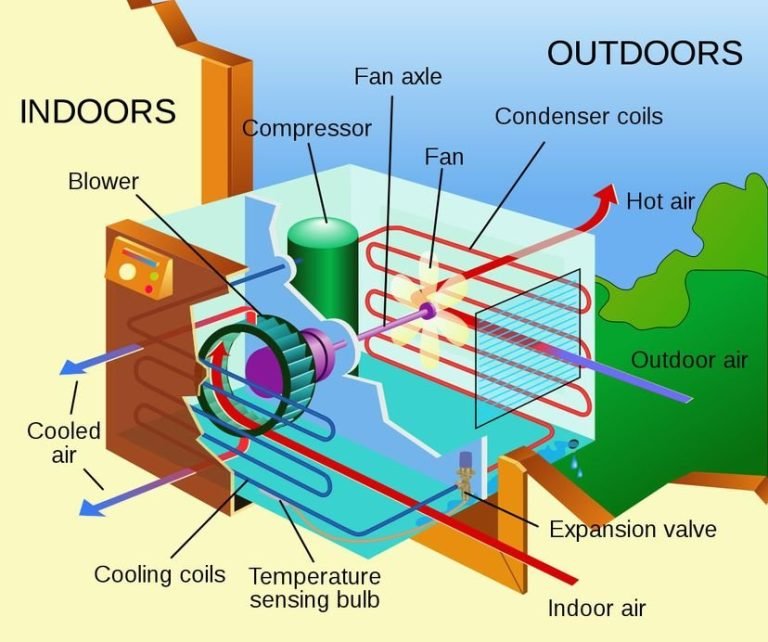
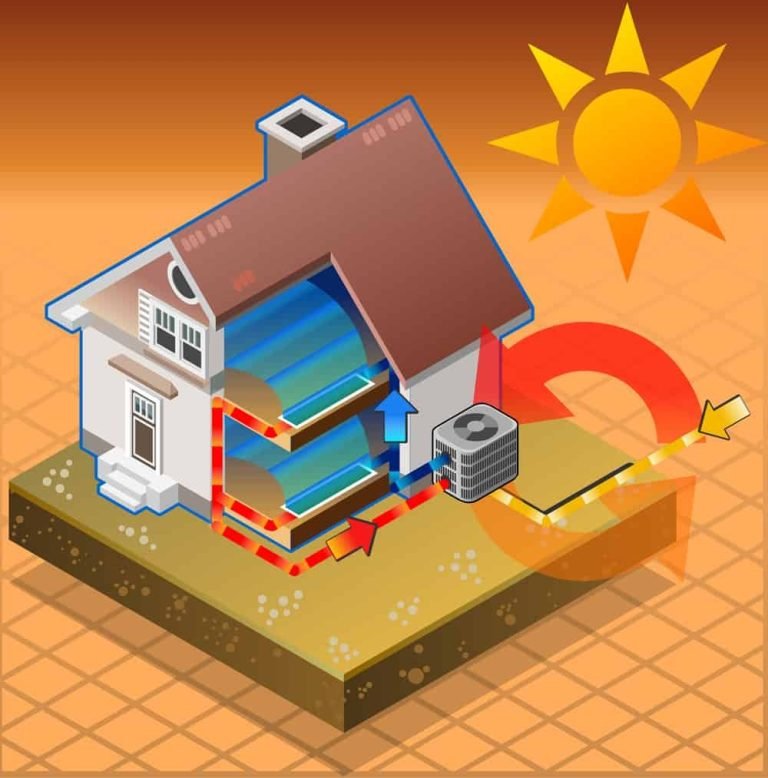
A Mitsubishi mini split system works by utilizing a refrigeration cycle to transfer heat between the indoor and outdoor units. The process begins with the compressor in the outdoor unit, which compresses the refrigerant, raising its temperature. The heated refrigerant is then pumped through the refrigerant lines to the indoor units.
Inside the indoor units, the refrigerant passes through an evaporator coil, allowing it to absorb heat from the surrounding air. The cooled air is then blown back into the room, while the now heated refrigerant returns to the outdoor unit via the refrigerant lines.
At the outdoor unit, the refrigerant releases the absorbed heat to the outside air through the condenser coil. The refrigerant then returns to the compressor to repeat the cycle and maintain the desired temperature in each zone.
C. Importance of refrigerant in mini split systems
Refrigerant plays a crucial role in the cooling and heating process of Mitsubishi mini split systems. It is the medium through which heat is transferred between the indoor and outdoor units. The refrigerant absorbs heat from the indoor air and releases it outside, allowing the system to cool the room efficiently.
Furthermore, the refrigerant also acts as a lubricant for the compressor and other moving parts. It ensures smooth operation and helps extend the lifespan of the system. Without the proper level of refrigerant, the system’s performance can be compromised.
Now that we have a basic understanding of Mitsubishi mini split systems, let’s explore the signs and symptoms of refrigerant leakage that can affect their operation.
II. Signs and Symptoms of Refrigerant Leakage in Mitsubishi Mini Split Systems
A. Low cooling or heating performance
If you notice a decrease in the cooling or heating performance of your Mitsubishi mini split system, it could be a sign of refrigerant leakage. When the refrigerant level is insufficient, the system struggles to absorb and release heat effectively, resulting in inadequate temperature control.
If your mini split system takes longer than usual to cool or heat a room, or if it fails to reach the set temperature, it’s essential to investigate for potential refrigerant leaks.
B. Ice formation on the evaporator coil
Another visible sign of refrigerant leakage is the formation of ice on the evaporator coil. When the refrigerant level is low, the coil becomes excessively cold, causing moisture in the air to freeze on its surface.
If you notice ice buildup on the indoor unit’s coil or see water droplets turning into ice during operation, it’s likely that you have a refrigerant leak.
C. Strange hissing or bubbling noises
A refrigerant leak often results in the release of pressurized gas from the system. This escaping gas can produce hissing or bubbling noises, particularly near the refrigerant lines or indoor unit.
If you hear unusual sounds that you haven’t noticed before when your mini split system is running, it’s important to investigate the source of the noise, as it might indicate a refrigerant leak.
D. Unpleasant odors emitted from the unit
In some cases, refrigerant leaks can cause the emission of unpleasant odors, reminiscent of chemicals or a sweet scent. These odors can spread throughout the room where the indoor unit is installed.
If you detect unusual smells coming from your Mitsubishi mini split system, it’s essential to contact a professional to inspect for refrigerant leaks and ensure your safety.
E. Increased energy consumption
A refrigerant leak can lead to decreased energy efficiency in your mini split system. As the refrigerant level drops, the system has to work harder to maintain the desired temperature, resulting in increased energy consumption.
If you notice a significant rise in your energy bills without any other identifiable cause, it’s worth considering the possibility of a refrigerant leak in your Mitsubishi mini split system.
F. Water leaks around the indoor unit
While water leaks can be caused by various issues, including condensate drainage problems, they can also be an indication of a refrigerant leak. When the refrigerant level is low, ice can form on the evaporator coil, which may eventually melt and result in water leaks.
If you notice water pooling or dripping around your indoor unit, it’s crucial to have a professional inspect for refrigerant leaks and address any potential issues.
III. Causes of Refrigerant Leakage in Mitsubishi Mini Split Systems
A. Poor installation practices
Poor installation practices are one of the primary causes of refrigerant leakage in Mitsubishi mini split systems. Improper installation procedures can result in various issues that lead to refrigerant leaks.
- 1. Incorrect refrigerant line connections
- 2. Inadequate insulation of refrigerant lines
- 3. Improper flaring or brazing techniques
Improperly connected refrigerant lines can cause leaks at the junctions between the indoor and outdoor units. If the connections are not tight or the fittings are not secure, refrigerant gas can escape.
Refrigerant lines must be properly insulated to prevent temperature fluctuations and avoid condensation, which can corrode the lines over time. Poor insulation increases the risk of refrigerant leaks.
Flaring and brazing are crucial steps during the installation process that ensure tight and sealed connections between the refrigerant lines and the indoor/outdoor units. If these techniques are not performed correctly, refrigerant leaks can occur.
B. Aging or damaged components
Over time, the components of a Mitsubishi mini split system can deteriorate, leading to refrigerant leaks. Factors such as corrosion, physical damage, or wear and tear can compromise the integrity of the system.
- 1. Cracked or corroded refrigerant pipes
- 2. Faulty joints, valves, or fittings
Exposure to environmental elements or improper maintenance can result in cracked or corroded refrigerant pipes. These damaged pipes can develop leaks and cause refrigerant to escape.
Weakened or faulty joints, valves, or fittings can also contribute to refrigerant leaks. If these components are not tightly sealed or become worn over time, refrigerant gas can escape.
C. Manufacturer defects or material failure
In rare cases, refrigerant leaks can occur due to manufacturer defects or material failure. These issues are beyond the control of homeowners or installers and may require professional assistance to resolve.
- 1. Weak solder points
- 2. Manufacturing errors in refrigerant lines or coils
If the solder points within the refrigerant lines are weak or faulty due to manufacturing errors, they can develop leaks over time. These defects are not easily detectable during the installation process.
Occasionally, errors in the manufacturing process can result in defects in the refrigerant lines or coils. These defects can lead to refrigerant leaks, causing operational issues in the mini split system.
IV. Consequences of Refrigerant Leakage in Mitsubishi Mini Split Systems
A. Reduced cooling or heating efficiency
Refrigerant leakage directly affects the cooling or heating efficiency of a Mitsubishi mini split system. With lower refrigerant levels, the system cannot absorb and release heat as effectively, leading to decreased cooling or heating performance.
If left unaddressed, the reduced efficiency can result in discomfort, inadequate temperature control, and increased energy consumption.
B. Increased energy costs
As mentioned earlier, refrigerant leaks force the system to work harder to maintain the desired temperature. This increased workload leads to higher energy consumption, ultimately reflected in higher utility bills.
By promptly addressing refrigerant leaks, you can prevent unnecessary energy waste and keep your energy costs in check.
C. Compressor damage and reduced lifespan
Low refrigerant levels put additional strain on the compressor, which is responsible for compressing and circulating the refrigerant. When the compressor operates with insufficient refrigerant, it can overheat and sustain damage.
Compressor repairs or replacements are costly, and continued operation with a damaged compressor can lead to system breakdowns. Regular maintenance and prompt leak repairs can help prevent compressor damage and extend the lifespan of your Mitsubishi mini split system.
D. Potential environmental impact
Refrigerants used in air conditioning systems, including Mitsubishi mini split systems, can have harmful effects on the environment if released into the atmosphere. These refrigerants, known as hydrofluorocarbons (HFCs), contribute to global warming and the depletion of the ozone layer.
By promptly fixing refrigerant leaks, you contribute to minimizing the environmental impact and protecting the Earth’s ozone layer.
E. Health risks from exposure to refrigerant gases
Refrigerant gases, such as R-410A, used in Mitsubishi mini split systems, are generally considered safe when contained within the system. However, when leaks occur, these gases can escape into the living space.
Exposure to refrigerant gases can lead to respiratory issues, irritation, dizziness, and other health risks. It is important to prioritize the detection and repair of refrigerant leaks to ensure a healthy indoor environment.
V. Troubleshooting and Diagnosing Refrigerant Leakage in Mitsubishi Mini Split Systems
A. Visual inspection of refrigerant lines and components
When troubleshooting refrigerant leaks in your Mitsubishi mini split system, start with a visual inspection. Look for any visible signs of refrigerant oil stains, discoloration, rust, or physical damage along the refrigerant lines and components.
Inspect the indoor unit, outdoor unit, and refrigerant lines for any loose connections, cracked pipes, or damaged insulation. Note any abnormalities or potential areas where refrigerant leaks could be occurring.
B. Pressure testing and leak detection methods
If a visual inspection does not reveal the source of the refrigerant leak, further diagnostic methods are necessary to identify the exact location and extent of the leakage.
- 1. Nitrogen pressure testing
- 2. Electronic leak detectors
- 3. UV dye leak detection
Nitrogen pressure testing involves pressurizing the refrigerant lines with nitrogen gas to identify leaks. By introducing nitrogen into the system, technicians can listen for escaping gas or use soap bubbles to detect leaks visually.
Electronic leak detectors are handheld instruments that can detect refrigerant leakage by sensing the presence of refrigerant gases in the air. Technicians use these detectors to pinpoint the exact location of the leak.
An alternative method involves introducing UV fluorescent dye into the system. The dye circulates with the refrigerant and can be detected using UV light. This method aids in locating refrigerant leaks that are not immediately visible.
C. Identifying the location and extent of the refrigerant leakage
By employing pressure testing and leak detection methods, technicians can identify the location and extent of the refrigerant leakage in your Mitsubishi mini split system. This information is crucial for effective repairs and resolving the issue.
Once the leak has been identified, it’s time to move on to the repair stage and address the refrigerant leakage promptly.
VI. Repairing and Resolving Refrigerant Leakage in Mitsubishi Mini Split Systems
A. Professional vs. DIY repairs
When it comes to repairing refrigerant leaks in Mitsubishi mini split systems, it is crucial to consult a professional HVAC technician. Refrigerant leaks require specialized knowledge and expertise to ensure proper repair and prevent further issues.
While minor maintenance tasks can be performed by homeowners, refrigerant leak repairs require professional attention to avoid potential risks and ensure the proper functioning of the system.
B. Replacement of damaged components
Repairing refrigerant leaks often involves replacing damaged components, such as refrigerant lines, joints, valves, or fittings. This ensures that the system remains free from leaks and operates optimally.
- 1. Repairing or replacing refrigerant lines
- 2. Fixing or replacing faulty joints, valves, or fittings
If the refrigerant lines have developed leaks, they need to be repaired or replaced. Technicians will assess the extent of the damage and take the necessary steps to restore the integrity of the lines.
If the refrigerant leakage is caused by faulty joints, valves, or fittings, these components must be fixed or replaced. Technicians will ensure proper sealing and fitting to prevent future leaks.
C. Proper evacuation and recharging of refrigerant
After the damaged components have been repaired or replaced, the next step is to evacuate any remaining refrigerant from the system. This ensures that the system is free of contaminants and ready for recharging.
Once the evacuation is complete, technicians will recharge the system with the appropriate amount of refrigerant, following manufacturer specifications and guidelines.
D. Testing and verifying system integrity after repairs
After the refrigerant leak repairs, technicians will perform tests to verify the system’s integrity and ensure that there are no remaining leaks. This may involve pressure testing, leak detection, or other diagnostic procedures.
Proper testing and verification guarantee that the refrigerant leakage has been successfully resolved and that the Mitsubishi mini split system is back to its optimal performance.
VII. Preventive Measures to Avoid Refrigerant Leakage in Mitsubishi Mini Split Systems
A. Proper installation by certified technicians
To minimize the risk of refrigerant leakage, it is crucial to have your Mitsubishi mini split system installed by certified HVAC technicians. Certified technicians have the necessary skills and knowledge to ensure proper installation, including correct refrigerant line connections, insulation, and flaring or brazing techniques.
B. Regular maintenance and inspection
Regular maintenance and inspection of your Mitsubishi mini split system are essential for detecting and addressing potential issues before they escalate into major problems. Schedule annual maintenance visits with a professional technician to keep your system in optimal condition.
During these maintenance visits, technicians will inspect the system, clean the coils, check refrigerant levels, and perform any necessary adjustments or repairs to prevent refrigerant leaks.
C. Prompt repair of any identified leaks or issues
If you notice any signs of refrigerant leakage or other issues with your mini split system, it’s important to address them promptly. Ignoring problems can lead to more severe damage and costly repairs in the future.
Contact a professional technician as soon as possible to assess the situation, identify the cause of the problem, and perform the necessary repairs.
D. Following manufacturer-recommended maintenance guidelines
Mitsubishi provides comprehensive maintenance guidelines for their mini split systems. It is important to follow these recommendations to ensure the longevity and optimal performance of your system.
These guidelines may include instructions on regular filter cleaning or replacement, coil maintenance, and recommendations for professional maintenance intervals.
E. Educating users on proper usage and care
Proper usage and care of the Mitsubishi mini split system can significantly reduce the risk of refrigerant leaks. Educate users, including homeowners or building occupants, on how to operate the system correctly and take necessary precautions to prevent damage.
Inform them about the signs of refrigerant leakage and the importance of reporting any issues promptly. Encouraging a proactive approach to system maintenance can help prevent costly repairs and ensure the longevity of the system.
VIII. Conclusion
Refrigerant leakage in a Mitsubishi mini split system is a common problem that can have significant consequences. It not only affects the cooling or heating performance of the system but also poses potential health risks and environmental concerns.
By understanding the signs and symptoms of refrigerant leakage and addressing the issue promptly, you can prevent costly repairs, ensure optimal system efficiency, and contribute to a healthier environment.
Remember to consult a professional HVAC technician for proper diagnosis and repair of refrigerant leaks. Regular maintenance, adherence to installation guidelines, and educating users are essential preventive measures to keep your Mitsubishi mini split system running smoothly and efficiently for years to come.
How to Install a Ductless Mini-Split Air Conditioner – Blueridge
Frequently Asked Questions (FAQ)
Why is my Mitsubishi mini split leaking refrigerant?
How can I detect if my Mitsubishi mini split is leaking refrigerant?
Can I fix the refrigerant leak in my Mitsubishi mini split myself?
What are the potential dangers of a refrigerant leak in a Mitsubishi mini split?
How can I prevent refrigerant leaks in my Mitsubishi mini split?
Final Thoughts: Understanding and Addressing Refrigerant Leakage in Mitsubishi Mini Split Systems
In conclusion, understanding the Mitsubishi Mini Split system is crucial in identifying and resolving refrigerant leakage issues. This type of air conditioning system offers individualized climate control and operates through a refrigeration cycle.
Refrigerant plays a vital role in the cooling and heating process, and a leak can result in various negative consequences. Signs of refrigerant leakage include low cooling or heating performance, ice formation on the evaporator coil, strange noises, unpleasant odors, increased energy consumption, and water leaks.
These signs should be addressed promptly to avoid reduced efficiency, increased energy costs, compressor damage, environmental impact, and health risks. Refrigerant leakage can be caused by poor installation practices, aging or damaged components, and manufacturer defects. Proper troubleshooting and diagnosis techniques, such as visual inspection, pressure testing, and leak detection, can help identify the location and extent of the leak.
When it comes to repairing refrigerant leaks, consulting a professional HVAC technician is essential. They can replace damaged components, evacuate and recharge the refrigerant, and test the system’s integrity. Preventive measures, including proper installation by certified technicians, regular maintenance and inspection, prompt repair of identified issues, adherence to manufacturer-recommended guidelines, and educating users on proper usage and care, can help prevent refrigerant leakage.