Why Is My Ac Gauge In The Red? Understanding The Cause And Solutions
If your AC gauge is in the red, it indicates a problem with your air conditioning system. The red zone typically represents high pressure or an overcharge of refrigerant in the system. This can lead to potential issues such as compressor damage or poor cooling efficiency. It is important to address this issue promptly by contacting a professional HVAC technician to diagnose and fix the problem.
Every summer, as the mercury rises and the sun beats down relentlessly, we turn to our trusty air conditioning units for relief. But what happens when the very thing that’s supposed to keep us cool starts to give us the hot sweats? Specifically, when we glance at our AC gauge and find it stubbornly stuck in the red? It’s a scenario that has confounded many air conditioning owners and operators, leaving them baffled, frustrated, and desperately in need of answers.
Understanding why your AC gauge is in the red is not just a matter of curiosity; it’s a vital step in ensuring your system’s optimal performance and longevity. In this article, we will delve into the causes behind this alarming reading, explore the potential consequences, and most importantly, provide you with the solutions to rectify the issue.
So, if you’ve ever found yourself wondering what the red zone on your AC gauge means and what actions to take, keep reading – we’ve got you covered.
I. Understanding the AC Gauge and Its Indicators
An AC gauge is an essential component of an air conditioning system that measures and displays important information about the system’s performance. It consists of two gauges – a low-pressure gauge and a high-pressure gauge – which provide readings that help diagnose any issues with the system.
Understanding how to interpret the readings on the AC gauge is crucial for identifying potential problems and taking appropriate action to resolve them. The gauges are usually color-coded, with a green zone indicating normal operating conditions, a yellow zone indicating caution, and a red zone indicating a critical problem that requires immediate attention.
Explanation of the gauge readings
The AC gauge readings provide information about the refrigerant levels and the system’s pressure. The low-pressure gauge measures the suction pressure or the pressure between the evaporator coil and the compressor. The high-pressure gauge measures the discharge pressure or the pressure between the compressor and the condenser.
When the AC gauge readings are in the green zone, it indicates that the refrigerant levels and the system pressure are within the normal range. However, when the gauge readings enter the red zone, it signifies that there’s a problem that needs to be addressed.
II. Reasons for AC Gauge Being in the Red Zone
A. Low refrigerant levels
One possible reason why the AC gauge is in the red zone is due to low refrigerant levels. The refrigerant is the lifeblood of the air conditioning system, and when it’s insufficient, it can lead to various problems.
1. Causes of low refrigerant levels
Refrigerant leaks
Refrigerant leaks can occur in the system due to factors such as worn-out seals, loose fittings, or damaged components. These leaks can result in a gradual loss of refrigerant over time, leading to low levels in the system.
Evaporator coil issues
The evaporator coil is responsible for absorbing heat from the indoor air. If the coil becomes damaged or develops a leak, it can cause a loss of refrigerant from the system.
Faulty compressor
A faulty compressor, which is responsible for circulating the refrigerant, can also contribute to low refrigerant levels. Malfunctions in the compressor, such as worn-out valves or a broken piston seal, can cause leaks and result in reduced refrigerant levels.
2. Symptoms of low refrigerant levels
Decreased cooling efficiency
When the refrigerant levels are low, the air conditioning system is unable to cool the air effectively. As a result, the cooling efficiency of the system decreases, and you may notice that your space is not getting as cool as it used to.
Longer cooling cycles
Low refrigerant levels can cause the air conditioning system to run for longer periods of time to achieve the desired temperature. This prolonged operation not only puts a strain on the system but also leads to higher energy bills.
Ice formation on the refrigerant lines
In some cases, low refrigerant levels can cause ice to form on the refrigerant lines. This ice buildup restricts the flow of refrigerant, further exacerbating the problem and affecting the overall performance of the system.
B. High system pressure
Another reason why the AC gauge may show readings in the red zone is high system pressure. When the pressure in the air conditioning system exceeds the normal range, it can lead to various issues.
1. Causes of high system pressure
Obstructed condenser
The condenser is responsible for releasing heat from the refrigerant to the outside air. If the condenser fins are clogged with dirt, debris, or vegetation, it obstructs the heat transfer process and can result in high system pressure.
Clogged or dirty air filters
Air filters help trap dust, pollen, and other particles to maintain good indoor air quality. However, when these filters become clogged or dirty, they restrict the airflow to the system, leading to increased pressure.
Blocked refrigerant lines
Blockages in the refrigerant lines, such as ice or debris buildup, can hinder the flow of refrigerant and cause pressure to build up in the system. These blockages often occur due to poor maintenance or other underlying issues.
2. Symptoms of high system pressure
a. Poor cooling or no cooling at all
When the system pressure is high, the air conditioning system may struggle to cool the air effectively. This can result in poor cooling performance or, in severe cases, no cooling at all.
b. Strange noises from the AC unit
High system pressure can cause the air conditioning unit to produce unusual noises, such as hissing, banging, or rattling sounds. These noises indicate that the system is under stress and may require immediate attention.
c. AC unit shutting off frequently
If the system pressure exceeds the normal range, the air conditioning unit may shut off frequently as a safety measure to prevent further damage. This frequent cycling can disrupt the comfort of your space and indicate an underlying issue.
C. Faulty AC compressor
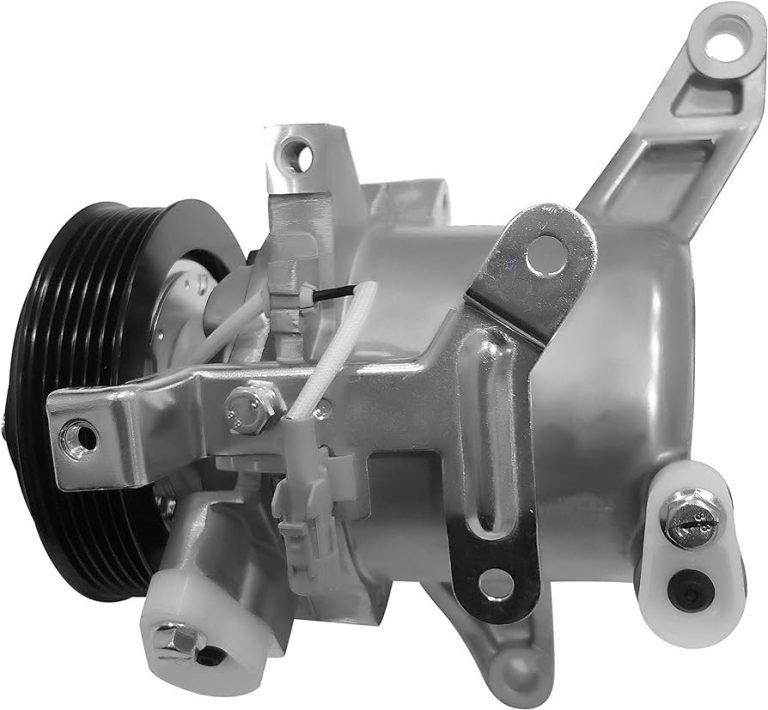
A faulty AC compressor can also be a reason why the AC gauge shows readings in the red zone. The compressor plays a crucial role in the air conditioning system by compressing and pushing the refrigerant through the system.
1. Causes of a faulty AC compressor
a. Electrical issues
Electrical problems, such as a malfunctioning capacitor or compressor motor, can lead to compressor failure. These issues may prevent the compressor from starting or running properly, resulting in an inadequate supply of refrigerant.
b. Lack of lubrication
The compressor relies on lubrication to reduce friction and ensure smooth operation. If the compressor lacks proper lubrication due to a refrigerant leak or insufficient maintenance, it can cause the compressor to malfunction and result in red zone readings on the AC gauge.
c. Overheating
Excessive heat can damage the compressor. If the system is not properly ventilated, or if other components like the condenser or evaporator coil are malfunctioning, it can cause the compressor to overheat and fail.
2. Symptoms of a faulty AC compressor
a. Inadequate cooling
A faulty compressor may not be able to circulate the refrigerant properly, leading to inadequate cooling performance. You may notice that your space is not reaching the desired temperature, even after prolonged operation of the air conditioning system.
b. AC unit not turning on
If the compressor fails completely, the air conditioning unit may not turn on at all. This can be a sign of a serious issue and may require professional attention to diagnose and repair the compressor.
c. Unusual compressor noises
A faulty compressor can produce unusual noises, such as grinding, squealing, or clunking sounds. These noises indicate mechanical problems within the compressor and shouldn’t be ignored.
III. Troubleshooting the AC Gauge Readings
A. Checking refrigerant levels
One of the first steps in troubleshooting the AC gauge readings is checking the refrigerant levels. This helps determine if low refrigerant levels are the cause of the red zone readings.
1. Using a refrigerant pressure chart
A refrigerant pressure chart provides the ideal pressure range for a specific AC system based on the outdoor temperature. By comparing the pressure reading on the AC gauge with the chart, you can assess if the refrigerant levels are low.
2. Performing a pressure test
A pressure test involves attaching a pressure gauge to the service port on the air conditioning system to measure the pressure directly. This test provides a more accurate assessment of the refrigerant levels and helps identify any leaks or other issues.
B. Evaluating system pressure
Once you’ve ruled out low refrigerant levels as the cause of the red zone readings, it’s important to evaluate the system pressure to identify any high-pressure issues.
1. Inspecting the condenser
Inspect the condenser for any obstructions, such as dirt, debris, or vegetation. Clean the condenser fins using a soft brush or a fin comb to remove any blockages that may be causing high system pressure.
2. Cleaning or replacing air filters
If the air filters are dirty or clogged, clean or replace them to ensure proper airflow. Restricted airflow can lead to increased system pressure, so maintaining clean air filters is essential for optimal performance.
3. Checking for refrigerant line blockages
Inspect the refrigerant lines for any blockages, such as ice formations or debris buildup. Clear any blockages carefully or seek professional assistance if necessary to unclog the refrigerant lines.
C. Assessing the AC compressor
If the AC gauge readings indicate a faulty compressor, a thorough assessment is necessary to determine the extent of the issue and the appropriate course of action.
1. Electrical testing
Perform electrical tests to check for any issues with the compressor’s electrical components, such as the capacitor or motor. Ensure that the compressor is receiving the proper voltage and that all connections are secure.
2. Lubrication inspection
If the compressor lacks proper lubrication, perform an inspection to identify any leaks or inadequate lubrication. Address any lubrication issues by adding the correct amount of refrigerant oil or resolving any leaks.
3. Monitoring for overheating
Keep an eye on the compressor during operation to monitor for signs of overheating, such as excessive heat or unusual smells. If the compressor continues to overheat, it may need to be repaired or replaced by a professional technician.
IV. Solving the AC Gauge Red Zone Issue
A. Refilling refrigerant
If low refrigerant levels are the cause of the red zone readings, refilling the refrigerant is necessary to restore the system’s performance. However, it’s essential to identify and fix any refrigerant leaks before recharging the system.
1. Identifying and fixing refrigerant leaks
Inspect the entire AC system, including the evaporator coil, refrigerant lines, and fittings, to locate any refrigerant leaks. Fix any leaks by replacing damaged components, tightening loose fittings, or applying sealants as necessary.
2. Recharging the system
Once the refrigerant leaks are fixed, recharge the system with the correct amount of refrigerant, following the manufacturer’s specifications. It’s crucial to ensure that the refrigerant levels are within the recommended range for optimal performance.
B. Resolving high system pressure
If high system pressure is causing the AC gauge to show readings in the red zone, taking appropriate steps to address the issue is necessary to restore the system’s functionality.
1. Clearing condenser obstructions
If the condenser is obstructed by dirt, debris, or vegetation, carefully clean the condenser fins to improve heat transfer and reduce system pressure. Regular maintenance, such as keeping the area around the condenser clear, can prevent future obstructions.
2. Cleaning or replacing air filters
Maintain clean air filters by regularly cleaning or replacing them. This ensures proper airflow and prevents pressure buildup in the system. Refer to the manufacturer’s guidelines on cleaning or replacing the air filters.
3. Removing refrigerant line blockages
If blockages in the refrigerant lines are causing high system pressure, clear the blockages carefully to restore proper flow. Seek professional assistance if necessary, especially if the blockages are extensive or recurring.
C. Repairing or replacing the AC compressor
If the AC compressor is found to be faulty, repair or replacement may be necessary to resolve the red zone readings on the AC gauge.
1. Electrical repairs or replacements
Address any electrical issues with the compressor by repairing or replacing faulty components, such as the capacitor or motor. Ensure that all electrical connections are secure and that the compressor is receiving the correct voltage.
2. Applying proper lubrication
If the compressor lacks adequate lubrication, add the appropriate amount of refrigerant oil to ensure smooth operation. Fix any leaks that are causing a lack of lubrication to prevent further damage to the compressor.
3. Resolving overheating issues
If the compressor continues to overheat, it may require professional attention to diagnose and resolve the underlying issues. Overheating can be caused by various factors, such as poor ventilation or malfunctioning components, which need to be addressed to prevent further damage.
V. Preventative Maintenance to Avoid Future AC Gauge Issues
A. Regular AC maintenance
To avoid future AC gauge issues, schedule regular maintenance for your air conditioning system. Professional inspections and tune-ups can identify and address potential problems before they escalate, ensuring optimal performance.
B. Keeping the condenser clean
Maintain the condenser by regularly cleaning it to prevent obstructions that can lead to high system pressure. Remove any debris or vegetation around the condenser to ensure proper airflow and heat transfer.
C. Changing air filters regularly
Stay on top of air filter maintenance by changing them regularly. Follow the manufacturer’s recommendations for filter replacement intervals, or clean reusable filters according to the instructions. Clean air filters promote proper airflow and prevent pressure issues.
D. Checking for refrigerant leaks
Regularly inspect the AC system for refrigerant leaks. Look for any signs of oil stains, moisture, or hissing sounds near the refrigerant lines, fittings, or other components. If you suspect a refrigerant leak, address it promptly to prevent further problems.
E. Maintaining proper lubrication
Ensure that the compressor and other moving parts of the air conditioning system have sufficient lubrication. Regularly check the refrigerant oil levels and address any leaks or deficiencies to keep the system running smoothly.
VI. Seeking Professional Assistance
A. When to consult an HVAC technician
If you are unsure about troubleshooting the AC gauge readings or if the issues persist despite your efforts, it’s recommended to seek professional assistance. HVAC technicians have the expertise and equipment to diagnose and repair complex problems.
B. Importance of professional expertise
Professional HVAC technicians have the knowledge and experience to accurately diagnose the root causes of AC gauge issues. They can provide expert guidance and perform necessary repairs or replacements, ensuring the system’s optimal functionality and longevity.
C. Benefits of regular professional maintenance
Scheduling regular professional maintenance for your air conditioning system offers several benefits. Professional technicians can identify and address potential problems early on, improve system efficiency, and extend the lifespan of your AC unit. Regular maintenance also helps prevent unexpected breakdowns and costly repairs.
VII. Conclusion
In conclusion, understanding why your AC gauge is in the red zone is essential for maintaining the performance and longevity of your air conditioning system. Low refrigerant levels, high system pressure, and a faulty AC compressor are common causes of red zone readings on the AC gauge.
By troubleshooting the AC gauge readings, you can identify the root causes of the issues and take appropriate actions to resolve them. This may involve refilling the refrigerant, addressing high system pressure, or repairing or replacing the AC compressor.
To avoid future AC gauge issues, practice preventative maintenance by scheduling regular professional maintenance, keeping the condenser clean, changing air filters regularly, checking for refrigerant leaks, and maintaining proper lubrication.
However, if you are uncertain or unable to resolve the AC gauge issues, it’s crucial to seek professional assistance. HVAC technicians have the expertise to diagnose and repair complex problems, ensuring the optimal functionality of your air conditioning system.
Remember, maintaining a well-functioning AC system will not only keep you cool and comfortable during the hot summer months but also help you avoid costly repairs in the long run.
Car AC pressure too high FIX overcharged a/c gauge fluctuation reading jumps Up Down Freon problem
Frequently Asked Questions (FAQ)
Why is my AC gauge in the red?
What should I do if my AC gauge is in the red?
Can I continue using my AC if the gauge is in the red?
What are some common causes of the AC gauge being in the red?
How can I prevent my AC gauge from going into the red?
Final Words: Troubleshooting and Maintaining Your AC Gauge for Optimal Performance
In conclusion, understanding why your AC gauge is in the red zone is crucial for maintaining the performance and longevity of your air conditioning system. Low refrigerant levels, high system pressure, and a faulty AC compressor are common causes of red zone readings on the AC gauge.
By troubleshooting the AC gauge readings, you can identify the root causes of the issues and take appropriate actions to resolve them. This may involve refilling the refrigerant, addressing high system pressure, or repairing or replacing the AC compressor.
To avoid future AC gauge issues, it is important to practice preventative maintenance by scheduling regular professional maintenance, keeping the condenser clean, changing air filters regularly, checking for refrigerant leaks, and maintaining proper lubrication. However, if you are uncertain or unable to resolve the AC gauge issues, it is crucial to seek professional assistance. HVAC technicians have the expertise to diagnose and repair complex problems, ensuring the optimal functionality of your air conditioning system.
Remember, maintaining a well-functioning AC system will not only keep you cool and comfortable during the hot summer months but also help you avoid costly repairs in the long run. So, be proactive in troubleshooting and maintaining your AC system to keep it running smoothly and efficiently.