Why Is My Ac Pipe Frozen? Common Causes And Effective Solutions
There are several factors that can cause your AC pipe to freeze, including insufficient airflow, refrigerant leaks, clogged filters, or malfunctioning components. These issues prevent your AC from effectively cooling your home and can lead to costly repairs if not resolved. Thawing out the frozen pipe and addressing the underlying problem can help prevent it from happening again in the future.
Did you know that your AC pipe can actually freeze? It may sound counterintuitive, but it’s a common problem that many homeowners and renters face. Picture this: It’s a scorching summer day, and you’re eagerly awaiting the cool relief of your air conditioning.
But instead of a refreshing breeze, you’re met with a frozen pipe. Not only does this prevent your AC from effectively cooling your home, but it can also lead to costly repairs if left unresolved.
So, what causes this frustrating issue? There are several factors at play, including insufficient airflow, refrigerant leaks, clogged filters, or malfunctioning components. Thankfully, there are effective solutions to thaw out your frozen AC pipe and prevent it from happening again in the future. In this article, we’ll explore the common causes behind why your AC pipe freezes and provide practical tips to rectify the problem.
By the end, you’ll be equipped with the knowledge to keep your AC running smoothly and maintain a comfortable indoor environment.
Understanding the AC System and Its Components
Before we delve into the common causes and effective solutions for a frozen AC pipe, let’s first gain a basic understanding of how the air conditioning system works and the role of the AC pipe in this process.
The Role of the AC Pipe in Air Conditioning Systems
The AC pipe, also known as the refrigerant line or coolant line, plays a crucial role in the cooling process of an air conditioning system. It is responsible for carrying refrigerant, a substance that absorbs heat from the indoor air and releases it outside, thereby cooling your living space.
When the AC unit is running, the refrigerant flows through the AC pipe, transferring heat from the indoor evaporator coil to the outdoor condenser unit. This continuous flow of refrigerant allows the AC system to remove heat from the indoor air, leaving you with a cool and comfortable environment.
Types of AC Pipes
AC pipes come in different types, depending on the specific air conditioning system and its design. The most common types of AC pipes are:
- Copper Pipes: Copper pipes are widely used in air conditioning systems due to their excellent heat transfer properties. They are durable, resistant to corrosion, and highly efficient in transferring heat.
- Aluminum Pipes: Aluminum pipes are lightweight and cost-effective. They are commonly used in smaller air conditioning units and have good heat transfer capabilities.
- Flexible Pipes: Flexible pipes, also known as mini-split linesets, are used in ductless mini-split air conditioning systems. They are easy to install and allow for flexible routing.
Now that we have a basic understanding of the AC system and its components, let’s explore the common causes of frozen AC pipes and the effective solutions to resolve this issue.
Common Causes of Frozen AC Pipes
A frozen AC pipe is often a symptom of an underlying problem within the air conditioning system. Understanding these common causes will help you identify the issue and take appropriate action to rectify it.
Low Refrigerant Levels
One of the primary causes of a frozen AC pipe is low refrigerant levels. Refrigerant is the lifeblood of the air conditioning system, responsible for absorbing and releasing heat. When the refrigerant levels are low, the AC pipe may not receive enough refrigerant, causing it to freeze.
Symptoms of Low Refrigerant Levels
- Weak airflow from the vents
- Inadequate cooling or no cooling at all
- Icing or frost on the AC pipe
- Hissing or bubbling sounds near the indoor unit
Effects of Low Refrigerant Levels on AC Pipes
When the AC pipe lacks sufficient refrigerant, the pressure inside the pipe drops, causing the temperature to plummet. This drop in temperature can lead to condensation and subsequent ice formation on the pipe’s surface.
Possible Causes of Low Refrigerant Levels
There are several potential causes for low refrigerant levels in an air conditioning system, including:
- Refrigerant leaks: Over time, the AC system may develop leaks in the refrigerant lines, resulting in a loss of refrigerant.
- Improper installation: If the system was not correctly charged with refrigerant during installation, it may start with insufficient levels.
- Manufacturing defects: In some cases, the AC system may have manufacturing defects that cause refrigerant leaks or inadequate charge.
Restricted Airflow
Another common cause of frozen AC pipes is restricted airflow. When the airflow through the AC system is impeded, it can lead to a decrease in temperature and subsequent ice formation on the AC pipe.
Effects of Restricted Airflow on AC Pipes
When the airflow is restricted, the evaporator coil, which is responsible for cooling the air, becomes too cold. This can cause moisture in the air to freeze on the coil and the AC pipe, leading to ice buildup.
Possible Causes of Restricted Airflow
Restricted airflow can be caused by various factors, including:
- Blocked air vents: Obstructed air vents prevent the proper circulation of air and impede airflow through the AC system.
- Clogged air filters: Dirty or clogged air filters restrict the passage of air, reducing airflow and causing the evaporator coil to become too cold.
- Blocked return air ducts: If the return air ducts are blocked or obstructed, it can restrict the flow of air into the AC system, leading to reduced airflow.
- Malfunctioning blower motor: A faulty blower motor can fail to deliver the required airflow, resulting in inadequate cooling and potential ice formation on the AC pipe.
Dirty Air Filters
Dirty air filters are a common culprit behind frozen AC pipes. The air filters in the AC system are designed to trap dust, pollen, and other particles from the indoor air. However, when these filters become clogged with dirt and debris, they obstruct airflow and affect the overall performance of the system.
Importance of Clean Air Filters
Clean air filters are essential for maintaining proper airflow and ensuring the efficient operation of the AC system. They not only improve indoor air quality but also prevent the AC pipe from freezing.
Effects of Dirty Air Filters on AC Pipes
When the air filters are dirty, they restrict the flow of air through the AC system, causing the evaporator coil to become extremely cold. This can result in condensation and ice formation on the AC pipe.
Malfunctioning Evaporator Coil
The evaporator coil plays a vital role in the cooling process of the air conditioning system. If the evaporator coil malfunctions or becomes damaged, it can lead to freezing of the AC pipe.
Role of the Evaporator Coil in Cooling Process
The evaporator coil is located in the indoor unit of the AC system and is responsible for absorbing heat from the indoor air. It works in conjunction with the refrigerant to cool the air before it is circulated back into the living space.
Effects of a Malfunctioning Evaporator Coil on AC Pipes
If the evaporator coil is dirty, damaged, or covered in ice, it can disrupt the heat transfer process and cause the AC pipe to freeze. A malfunctioning evaporator coil may also lead to inadequate cooling and decreased airflow.
Faulty Thermostat
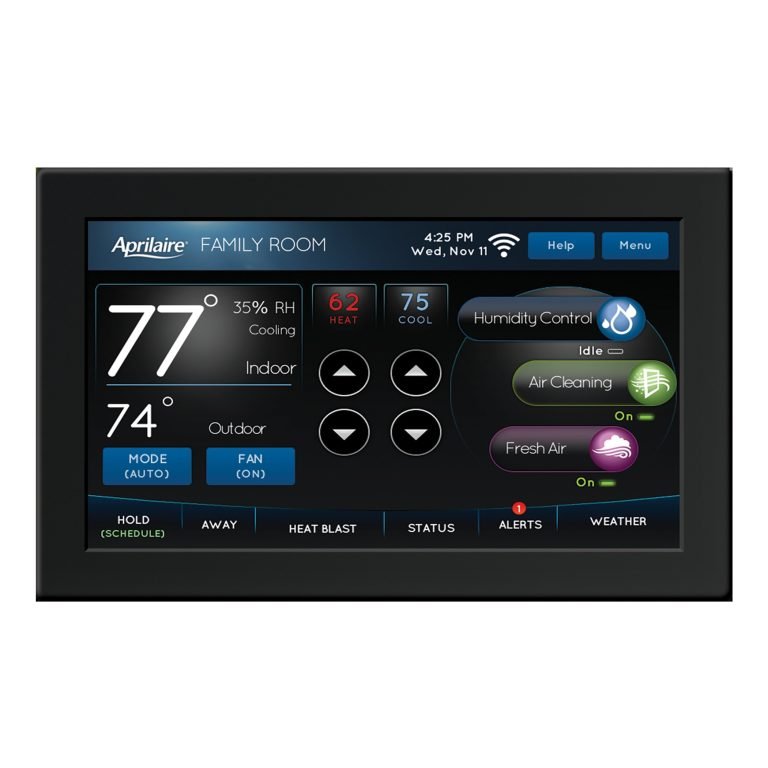
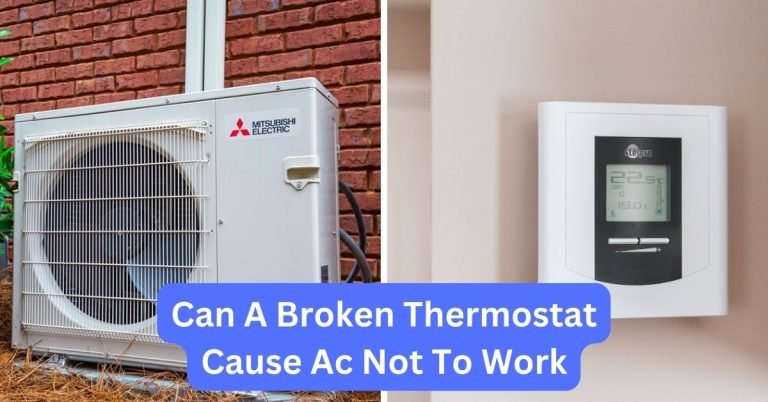
The thermostat is the control device that regulates the temperature in your home and signals the AC system to cool the air. A faulty thermostat can cause the AC system to run continuously or cycle on and off frequently, resulting in potential ice formation on the AC pipe.
Role of the Thermostat in Regulating Temperature
The thermostat monitors the temperature in your home and sends signals to the AC system to either cool or heat the air, depending on the desired temperature setting.
Effects of a Faulty Thermostat on AC Pipes
If the thermostat malfunctions, it may not accurately regulate the temperature, causing the AC system to overcool the air. This can lead to ice formation on the AC pipe and a range of other issues.
Insufficient Insulation
Inadequate insulation around the AC pipes can contribute to freezing. Proper insulation helps prevent heat transfer to the surrounding environment and maintains the temperature of the refrigerant flowing through the pipes.
Importance of Proper Insulation
Proper insulation is crucial for optimizing the efficiency of the AC system and preventing the AC pipe from freezing. It helps maintain the desired temperature and reduces the risk of condensation and subsequent ice formation.
Effects of Insufficient Insulation on AC Pipes
If the AC pipes are not adequately insulated, the heat from the surrounding environment can cause the refrigerant to cool excessively, leading to ice formation on the pipes. Insufficient insulation can also result in energy loss and decreased overall performance of the AC system.
Poorly Sized Air Conditioning System
The size of the air conditioning system plays a significant role in its performance and efficiency. If the AC system is improperly sized for the space it is intended to cool, it can lead to a range of issues, including frozen AC pipes.
Impact of Improperly Sized AC System on AC Pipes
If the AC system is too large for the space, it may cool the air too quickly, causing the evaporator coil to drop below freezing temperature. This can result in the formation of ice on the AC pipe. On the other hand, if the AC system is too small, it may run continuously to meet the cooling demand, potentially leading to the freezing of the AC pipe.
Ensuring Correct Sizing of the AC System
To avoid issues related to system size, it is essential to consult a professional HVAC technician who can accurately assess the cooling requirements of your space and recommend the appropriate-sized AC system.
Now that we’ve explored the common causes of frozen AC pipes, let’s move on to the signs and symptoms to help you identify if your AC pipe is frozen.
Signs and Symptoms of Frozen AC Pipes
Identifying the signs and symptoms of a frozen AC pipe is crucial for timely intervention and preventing further damage to the air conditioning system. Here are some indications that your AC pipe may be frozen:
Visible Ice Formation on the AC Pipes
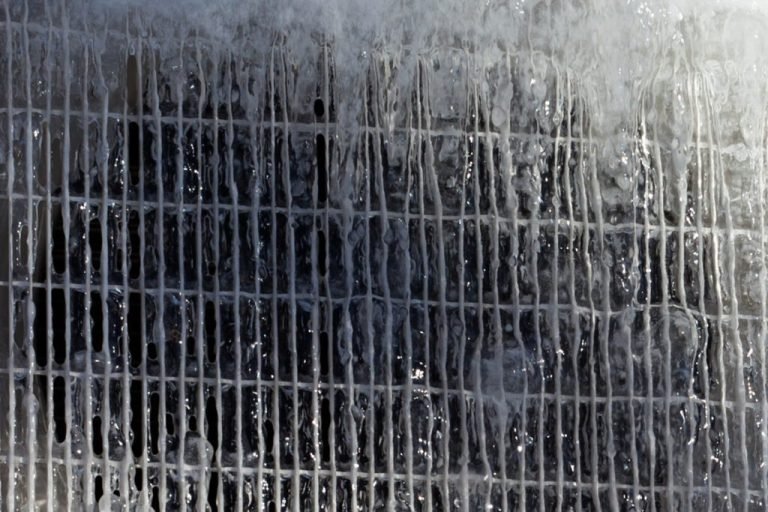
One of the most apparent signs of a frozen AC pipe is the presence of ice or frost on the surface of the pipe. If you notice ice buildup on the AC pipe, it is a clear indicator that something is wrong with the system.
Decreased Airflow from Vents
If you experience weak or reduced airflow from the vents, it could be due to a frozen AC pipe. Ice formation restricts the passage of air through the system, resulting in limited airflow and inadequate cooling.
Warm Air Instead of Cool Air
An AC pipe freeze can cause a sudden shift from cool air to warm air coming out of your vents. When the AC pipe is frozen, the system is unable to cool the air, leading to warm or room temperature air instead.
Strange Noises Coming from AC System
If you hear unusual sounds, such as hissing, bubbling, or gurgling noises near the AC system, it could be a sign of a frozen AC pipe. These sounds may be caused by the flow of refrigerant through the restricted pipe.
Increased Energy Consumption
A sudden increase in your energy bills without any other explanation could indicate a frozen AC pipe. When the AC system is not functioning optimally due to ice formation, it has to work harder to cool your space, resulting in higher energy consumption.
If you notice any of these signs or symptoms, it’s important to take prompt action to prevent further damage to your AC system and ensure your comfort. In the next section, we’ll explore the potential damage caused by frozen AC pipes.
Potential Damage Caused by Frozen AC Pipes
Ignoring a frozen AC pipe can lead to a range of damages, both to your air conditioning system and your overall indoor environment. Let’s take a closer look at the potential consequences:
Compressor Damage
A frozen AC pipe can put excessive strain on the compressor, which is responsible for compressing and circulating the refrigerant. If the compressor runs continuously or cycles on and off frequently due to ice formation, it can suffer damage over time.
Condenser Coil Damage
The condenser coil is located in the outdoor unit of the air conditioning system and is responsible for dissipating the heat absorbed from the indoor air. When the AC pipe is frozen, the condenser coil may also become affected, leading to reduced cooling efficiency and potential damage.
Expansion Valve Damage
The expansion valve controls the flow of refrigerant into the evaporator coil. When the AC pipe freezes, it can cause the expansion valve to malfunction, leading to inadequate cooling and potential damage to the valve itself.
High Energy Bills
A frozen AC pipe forces the system to work harder to cool your space, resulting in increased energy consumption. This can lead to significantly higher energy bills, putting a dent in your budget.
Health Concerns from Poor Indoor Air Quality
When the AC pipe is frozen, it can impact the overall indoor air quality. Moisture buildup on the evaporator coil and AC pipe can create a breeding ground for mold, mildew, and bacteria, leading to potential health issues such as allergies, respiratory problems, and worsened indoor air quality.
To prevent these potential damages, it’s essential to troubleshoot and fix the frozen AC pipe as soon as possible. In the next section, we’ll explore the steps you can take to address this issue.
Troubleshooting and Fixing Frozen AC Pipes
Fixing a frozen AC pipe requires a systematic approach to identify and rectify the underlying cause. Here are the steps you can take to troubleshoot and fix the issue:
Turn Off the AC System
If you notice that your AC pipe is frozen, the first step is to turn off the AC system. This will prevent further damage and allow the ice to thaw naturally.
Check and Clean Air Filters
Inspect the air filters and clean or replace them if they are dirty or clogged. Clean air filters ensure proper airflow and prevent the evaporator coil from becoming too cold.
Inspect and Clear Obstructions Around Vents and Ducts
Check for any obstructions, such as furniture or objects blocking the vents or obstructing the ducts. Clearing these obstructions will improve airflow and prevent the AC pipe from freezing.
Check for Refrigerant Leaks and Recharge if Necessary
If you suspect a refrigerant leak as the cause of the frozen AC pipe, it’s important to have a professional HVAC technician inspect and repair the system. They will check for leaks, repair any damaged parts, and recharge the refrigerant if necessary.
Inspect and Clean the Evaporator Coil
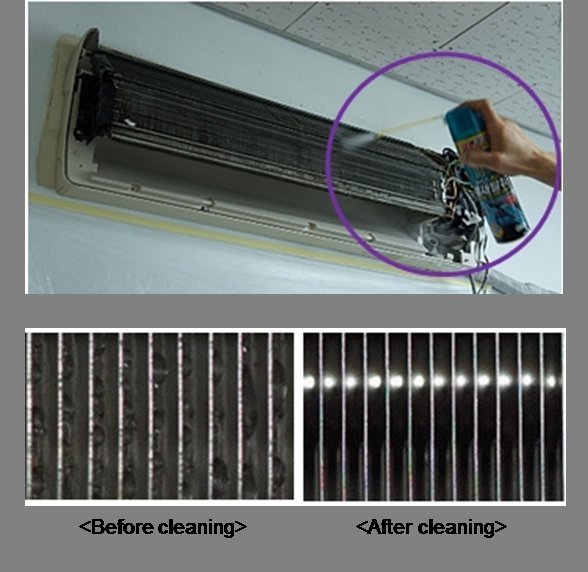
If the frozen AC pipe is caused by a dirty or malfunctioning evaporator coil, clean the coil using a soft brush or a vacuum cleaner with a brush attachment. Ensure that the coil is free from dirt, dust, and debris for optimal performance.
Calibrate or Replace Faulty Thermostat
If the thermostat is malfunctioning, it may need recalibration or replacement. Consult a professional technician to accurately diagnose and address the issue with the thermostat.
Ensure Sufficient Insulation
Inspect the insulation around the AC pipes and ensure that it is adequate. If the insulation is damaged or insufficient, consider replacing or adding insulation to prevent heat transfer and ice formation.
Evaluate AC System Size and Consider Upgrades if Needed
If you suspect that the AC system is improperly sized, consult a professional HVAC technician to assess your cooling requirements and recommend the correct-sized system. Upgrading to a properly sized AC system can prevent future issues, including frozen AC pipes.
By following these troubleshooting steps, you can effectively address the issue of a frozen AC pipe and restore your air conditioning system to optimal performance. However, prevention is always better than cure. In the next section, we’ll discuss some preventive measures to avoid frozen AC pipes.
Prevention of Frozen AC Pipes
Taking proactive measures to prevent frozen AC pipes can save you time, money, and the hassle of dealing with a malfunctioning air conditioning system. Here are some preventive steps you can take:
Regular Maintenance and Inspections
Schedule regular maintenance and inspections for your AC system. Professional HVAC technicians can identify issues before they escalate and ensure that your system is in optimal condition.
Proper Air Filter Maintenance
Regularly clean or replace the air filters according to the manufacturer’s recommendations. Clean air filters promote proper airflow and prevent the AC pipe from freezing.
Ensuring Good Airflow
Keep the vents and return air registers free from obstructions. Avoid blocking them with furniture or other objects to ensure proper airflow throughout your home.
Regular Cleaning of the Evaporator Coil
Include cleaning the evaporator coil in your regular maintenance routine. Use a soft brush or a vacuum cleaner with a brush attachment to remove dirt and debris from the coil surface.
Proper Insulation and Sealing of Ducts
Ensure that the AC ducts are properly insulated and sealed to minimize heat transfer and prevent the AC pipes from freezing. Inspect the ductwork regularly and repair any leaks or damages promptly.
Sizing AC System Correctly
Consult with a professional HVAC technician to ensure that your AC system is correctly sized for your space. A properly sized AC system will run efficiently and minimize the risk of frozen AC pipes.
Professional Maintenance Services
Consider hiring professional maintenance services for your AC system. Trained technicians can provide comprehensive inspections, cleanings, and repairs to keep your system in optimal condition.
Adhering to these preventive measures can significantly reduce the chances of experiencing a frozen AC pipe and ensure that your air conditioning system operates smoothly and efficiently.
Dealing with a frozen AC pipe can be frustrating and disruptive, but understanding the common causes and effective solutions can help you address the issue promptly. By maintaining proper airflow, regular maintenance, and taking preventive measures, you can prevent the occurrence of frozen AC pipes and ensure the longevity and efficiency of your air conditioning system.
Remember, if you encounter a frozen AC pipe, it’s important to turn off the system, clean or replace air filters, address any obstructions, and consult a professional HVAC technician if needed. Taking proactive steps to maintain your AC system will keep you cool and comfortable all year round.
References
1. [How Your Home Air Conditioning System Works](https://www.energy.gov/energysaver/common-air-conditioner-problems)
2. [How to Prevent Your AC Pipes from Freezing](https://www.hvac.com/questions/prevent-ac-pipes-freezing/)
3. [Frozen Air Conditioner: What Causes It and How to Fix It](https://www.thespruce.com/why-is-my-air-conditioner-frozen-4772097)
4. [Causes of Frozen AC Pipes](https://www.donleyservice.com/blog/what-causes-air-conditioning-pipes-to-freeze)
5. [The Dangers of a Frozen Air Conditioner](https://www.servicechampions.net/blog/the-dangers-of-a-frozen-air-conditioner/)
How to UNCLOG your AC DRAIN Condensate line FAST – Water stains on Ceiling? or in the Pan
Frequently Asked Questions (FAQ)
Why is my AC pipe frozen?
What should I do if my AC pipe is frozen?
Can a dirty air filter cause a frozen AC pipe?
Why is low refrigerant level a possible cause of a frozen AC pipe?
Is it safe to use my AC if the pipe is frozen?
Final Words: Understanding and Preventing Frozen AC Pipes
In conclusion, understanding the causes and solutions for frozen AC pipes is essential for maintaining the functionality and efficiency of your air conditioning system. Common causes include low refrigerant levels, restricted airflow, dirty air filters, malfunctioning evaporator coils, faulty thermostats, insufficient insulation, and poorly sized AC systems.
These issues can lead to decreased airflow, inadequate cooling, increased energy consumption, and potential damage to the compressor, condenser coil, expansion valve, and overall indoor air quality. To address a frozen AC pipe, it is important to turn off the AC system, clean or replace air filters, clear any obstructions, check for refrigerant leaks and recharge if necessary, clean the evaporator coil, recalibrate or replace the thermostat, ensure sufficient insulation, and evaluate the size of the AC system.
Promptly addressing the issue and implementing preventive measures such as regular maintenance, proper air filter maintenance, ensuring good airflow, regular cleaning of the evaporator coil, proper insulation and sealing of ducts, and correctly sizing the AC system can help prevent frozen AC pipes. Taking proactive steps to maintain your AC system will ensure its longevity and efficiency, keeping you cool and comfortable all year round. If you encounter a frozen AC pipe, it is recommended to consult a professional HVAC technician for expert advice and assistance.
By understanding and addressing the causes of frozen AC pipes, you will be able to troubleshoot and fix the issue, preventing further damage to your air conditioning system and ensuring your comfort and well-being.