Why Does My Ac Feel Humid? Find Out The Causes And Solutions
Your air conditioning system may feel humid instead of dry for several reasons. Some possible causes include: – Oversized AC unit: If your AC is too big for your space, it may cool the air too quickly, leaving behind moisture. – Clogged air filters: Dirty filters can restrict airflow and cause condensation to accumulate, leading to a humid feel. – Refrigerant leaks: Leaks in the refrigerant system can disrupt the cooling process and result in increased humidity. – Improper thermostat settings: Incorrect settings can prevent the AC from effectively removing humidity from the air. – Insufficient dehumidification: Some AC units may not have adequate dehumidification capabilities, leading to high humidity levels.
Picture this: it’s a scorching summer day, the sun beating down relentlessly. Seeking refuge, you step into your home, expecting a blast of refreshing cool air from your trusty air conditioning system.
But instead, you’re met with a perplexing sensation—a sticky, uncomfortable humidity that seems to linger in the air. It’s a scenario all too familiar for homeowners and renters who rely on their AC to combat the sweltering heat.
But why does this happen? Why does your AC make the air feel humid instead of dry? In this article, we’ll explore the causes behind this frustrating phenomenon and provide you with practical solutions to restore the comfort and tranquility of your indoor space. Whether you’re a newcomer to the world of air conditioning or a seasoned homeowner, this comprehensive guide will help you understand the underlying issues and equip you with the knowledge to address them effectively. So, let’s dive in and unravel the mystery of why your AC feels humid, and more importantly, discover how to make it right.
I. Understanding the Basics of Air Conditioning and Humidity
A. Definition of humidity
Before delving into the causes and solutions for why your AC feels humid, it’s crucial to have a clear understanding of what humidity is. In simple terms, humidity refers to the amount of moisture present in the air. It is measured by a parameter called relative humidity, which indicates the percentage of moisture in the air compared to the maximum amount it can hold at a specific temperature.
B. Role of air conditioning in controlling humidity
One of the primary functions of an air conditioning system is to control humidity levels indoors. As the air conditioner cools the air, it also removes excess moisture, making the environment more comfortable. This is achieved through the condensation process, where warm, humid air is passed over a cold evaporator coil. As the air cools, moisture condenses on the coil and is collected and drained away. The cooled and dehumidified air is then circulated back into the room, providing a pleasant indoor climate.
II. Causes of High Humidity in an Air Conditioned Space
A. Oversized air conditioner
An oversized air conditioning unit may seem like a luxury, but it can actually contribute to high humidity levels indoors. When an AC unit is too large for the space it needs to cool, it cools the air too quickly, leading to short cooling cycles. These shortened cycles do not allow enough time for the air conditioner to remove moisture effectively, resulting in a humid environment.
1. Explanation of how oversized unit affects humidity control
When an air conditioner is oversized, it cools the air rapidly, reaching the desired temperature quickly. However, it does not run long enough to adequately dehumidify the air. The cooling process primarily occurs when the AC runs, but dehumidification occurs during the AC’s off cycles when the evaporator coil becomes warmer and condenses moisture. An oversized unit’s short cooling cycles prevent enough moisture from being condensed and removed, leading to high humidity levels.
2. Consequences of oversized AC
Having an oversized air conditioner can result in various negative consequences. In addition to the discomfort caused by high humidity, an oversized AC may lead to increased energy consumption and higher utility bills. The frequent on and off cycling can also put additional strain on the system, potentially shortening its lifespan and requiring more frequent repairs.
B. Inadequate insulation or sealing
Poor insulation and inadequate sealing can also contribute to high humidity levels in an air-conditioned space. When there are gaps or leaks in the building envelope, warm, humid air from the outside can infiltrate the interior, increasing the overall humidity levels.
1. How poor insulation contributes to humidity
Insulation plays a crucial role in maintaining a comfortable indoor environment. It acts as a barrier that prevents the transfer of heat and moisture between the interior and exterior of a building. Without proper insulation, warm, moisture-laden air can seep into the conditioned space, increasing the humidity levels.
2. Importance of proper insulation and sealing
Proper insulation and sealing are essential for maintaining consistent temperature and humidity levels inside your home. By ensuring that your walls, windows, doors, and roof are well-insulated and properly sealed, you can prevent unwanted outside air infiltration and minimize the impact of external humidity on your indoor environment.
C. Leaky ductwork
Leaky ductwork can also contribute to high humidity levels in your air-conditioned space. When there are leaks or gaps in the ducts, the cool air produced by the air conditioner can escape into the walls, attic, or crawlspace, while warm, humid air from these areas can be drawn into the ducts, increasing humidity levels throughout the space.
1. Effect of leaky ducts on humidity levels
Leaky ductwork not only compromises the efficiency of your HVAC system but also allows humid air to enter the ducts. When the humid air mixes with the cool air in the ducts, it can lead to higher humidity levels throughout the space. This can result in an uncomfortable and sticky indoor environment.
2. Detecting and fixing duct leaks
If you suspect that your ductwork has leaks, it’s important to have it inspected and repaired by a professional HVAC technician. They can identify and seal any leaks or gaps, ensuring that your air conditioning system operates efficiently and effectively removes excess moisture from the air.
D. Dirty air filters
The condition of your air filters can also impact humidity levels in your air-conditioned space. When air filters become dirty and clogged, they restrict airflow, reducing the efficiency of your HVAC system. This can lead to inadequate dehumidification and higher humidity levels indoors.
1. Relationship between dirty filters and humidity
Dirty air filters hinder the airflow through your HVAC system, preventing it from effectively cooling and dehumidifying the air. As a result, moisture levels can increase, leading to a humid and uncomfortable indoor environment.
2. Regular filter maintenance for humidity control
To ensure optimal humidity control and overall HVAC system performance, it’s crucial to regularly clean or replace your air filters. By following the manufacturer’s recommendations and inspecting and maintaining your filters on a monthly basis, you can prevent the accumulation of dust and debris and maintain the airflow necessary for effective dehumidification.
III. Effects of High Humidity in an Air Conditioned Space
A. Discomfort and reduced comfort levels
High humidity levels in an air-conditioned space can lead to discomfort and reduced comfort levels for occupants. The presence of excess moisture in the air can make the environment feel sticky, clammy, and uncomfortable.
1. Impact of high humidity on human perception
Humans perceive temperature based on a combination of factors, including air temperature, humidity, and air movement. When humidity levels are high, the body’s ability to evaporate sweat and cool down is compromised, leading to an elevated perception of temperature and discomfort.
2. How humidity affects temperature perception
When the air is humid, it slows down the evaporation of sweat from our skin, making us feel hotter than the actual temperature. This can result in a constant feeling of stickiness and discomfort, even if the air conditioner is running.
B. Impact on indoor air quality
High humidity levels in an air-conditioned space can significantly impact the indoor air quality. Excess moisture creates an ideal environment for the growth of mold, mildew, and bacteria, leading to various health risks.
1. Growth of mold and bacteria in high humidity
Mold and bacteria thrive in environments with high humidity, which can contribute to poor indoor air quality. These microorganisms can release spores and toxins into the air, triggering allergies, respiratory issues, and other health problems.
2. Health risks associated with poor indoor air quality
Poor indoor air quality resulting from high humidity can lead to a range of health issues, including allergies, asthma, respiratory infections, and other respiratory-related symptoms. It can also exacerbate existing respiratory conditions and compromise the overall well-being of the occupants.
C. Potential damage to furniture and property
High humidity levels can wreak havoc on your furniture, electronics, and other valuable possessions. Excess moisture in the air can lead to warping, swelling, and deterioration of materials, causing irreversible damage and potentially requiring costly replacements.
1. Warping, swelling, and deterioration of materials in high humidity
Wood furniture, musical instruments, artwork, and other items made of organic materials are particularly susceptible to damage in high humidity. The excess moisture can cause wood to warp, paint to peel, and delicate materials to deteriorate. It can also lead to rust and corrosion of metal objects.
2. Costly consequences of humidity-related property damage
The financial implications of humidity-related property damage can be significant. Repairing or replacing damaged furniture, electronics, and other possessions can be costly, not to mention the potential impact on sentimental or irreplaceable items.
IV. Solutions to Reduce Humidity in an Air Conditioned Space
A. Proper sizing and installation of air conditioners
One of the most critical factors in controlling humidity levels in an air-conditioned space is ensuring that the AC unit is properly sized and installed.
1. Importance of correctly sizing an AC unit
Proper sizing of an air conditioning unit is vital to ensure optimal performance and humidity control. An HVAC professional can perform a load calculation to determine the appropriate size for your specific space, taking into account factors such as square footage, insulation levels, and local climate.
2. Considerations for installation
In addition to sizing, proper installation is crucial for effective humidity control. Ensuring that the AC unit is installed correctly, with proper airflow and adequate insulation around the ductwork, can help minimize the introduction of outside moisture and maintain comfortable humidity levels indoors.
B. Use of dehumidifiers
In cases where the air conditioning system alone cannot effectively control humidity levels, the use of dehumidifiers can provide additional moisture removal.
1. Types of dehumidifiers suitable for different spaces
There are various types of dehumidifiers available, including portable units and whole-house dehumidifiers. Portable dehumidifiers are ideal for smaller spaces or localized humidity issues, while whole-house dehumidifiers can be integrated with your HVAC system to control humidity levels throughout the entire home.
2. Placement and usage tips for effective dehumidification
To ensure effective dehumidification, it’s important to place the dehumidifier in a central location within the space. Additionally, following the manufacturer’s instructions regarding maintenance, cleaning, and emptying the water reservoir is crucial for optimal performance.
C. Regular maintenance and inspection
Maintaining and inspecting your air conditioning system regularly is essential for optimal humidity control and overall performance.
1. Cleaning and maintaining air conditioning components
Regularly cleaning and maintaining your air conditioning system is critical to ensure proper airflow, efficient operation, and effective dehumidification. This includes cleaning or replacing air filters, clearing debris from outdoor units, and scheduling professional maintenance at least once a year.
2. Importance of professional inspections for optimal humidity control
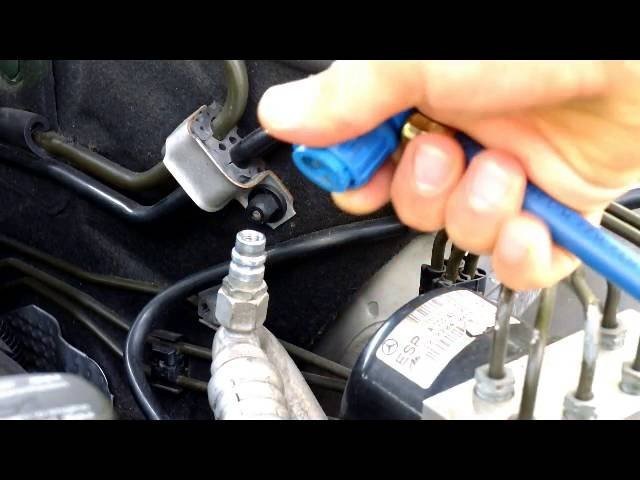
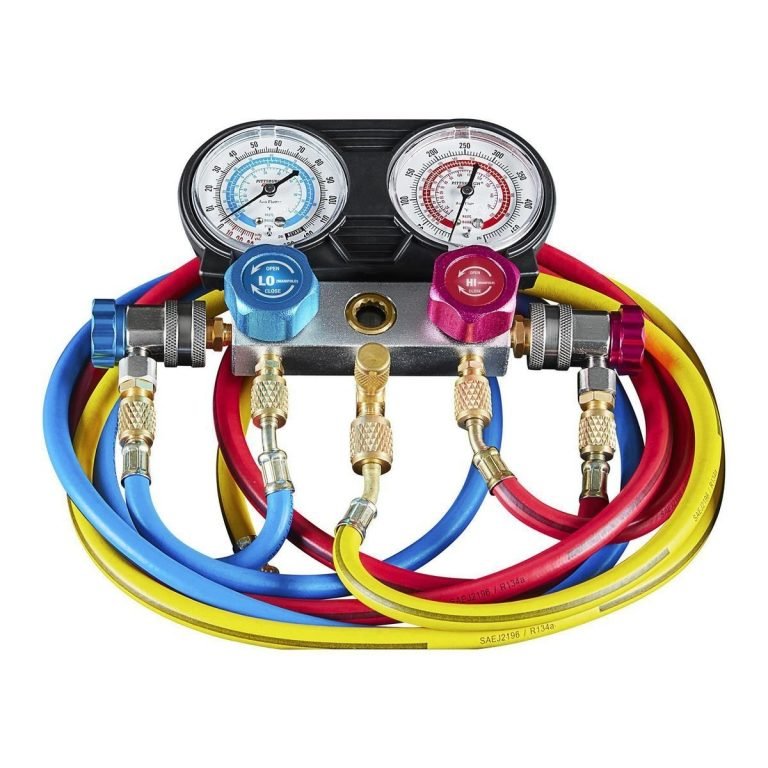
Professional inspections by HVAC technicians are crucial for identifying and addressing any issues that may be contributing to high humidity levels. Technicians can detect and repair duct leaks, ensure proper refrigerant levels, and optimize the overall performance of your air conditioning system.
D. Improving insulation and sealing
To minimize the impact of external humidity on your indoor environment, it’s important to improve insulation and sealing throughout your home.
1. Identifying and addressing insulation gaps
An inspection of your home’s insulation can help identify any gaps or areas that require improvement. Adding insulation to attics, walls, and crawl spaces can create a barrier against external humidity and help maintain consistent temperature and humidity levels indoors.
2. Techniques for sealing air leaks
Sealing air leaks is crucial for preventing the intrusion of humid air from the outside. Applying weatherstripping to doors and windows, caulking gaps, and insulating ductwork can help create a more airtight envelope, reducing the infiltration of outside air and minimizing humidity-related issues.
V. Additional Tips for Managing Humidity in Air Conditioned Spaces
A. Proper ventilation in bathrooms and kitchens
Proper ventilation in areas prone to high humidity, such as bathrooms and kitchens, is essential for maintaining comfortable humidity levels.
1. Role of ventilation in controlling humidity
Ventilation helps remove excess moisture from the air and prevent it from spreading to other areas of the house. Properly ventilating bathrooms and kitchens can help eliminate humid air and prevent it from affecting the rest of the air-conditioned space.
2. Installation and usage of exhaust fans
Installing exhaust fans in bathrooms and kitchens can effectively remove humid air and prevent it from lingering and affecting the indoor humidity levels. It’s important to use these fans regularly during and after activities that generate moisture, such as showering or cooking.
B. Use of moisture-absorbing materials
Using moisture-absorbing materials can help manage humidity levels within an air-conditioned space.
1. Benefits of moisture-absorbing materials
Moisture-absorbing materials, such as silica gel packs or desiccants, can help reduce excess humidity by absorbing moisture from the surrounding air. These materials are particularly useful in small, enclosed spaces such as closets or storage areas.
2. Examples of effective moisture absorbers
There are various commercially available moisture absorbers, such as dehumidifying bags or containers, that can be placed strategically around the space to absorb excess moisture. These can be especially useful in areas where humidity is a persistent problem.
C. Maintaining a suitable thermostat setting
Setting your thermostat to the appropriate temperature and humidity levels can contribute to a more comfortable indoor environment.
1. Recommended temperature and humidity levels for comfort
The ideal temperature and humidity levels for comfort may vary depending on personal preferences. However, a general guideline is to set the thermostat between 72-78°F (22-26°C) and maintain a relative humidity level between 40-60% for optimal comfort.
2. Adjusting thermostat settings for humidity control
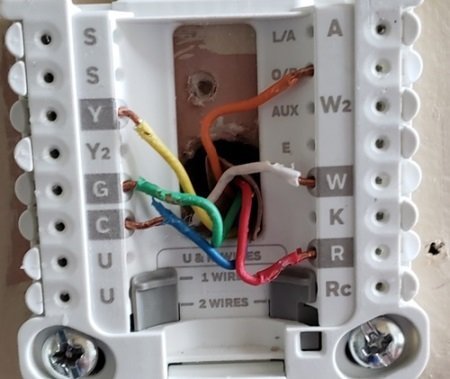
Some modern thermostats offer humidity control settings, allowing you to program and adjust the desired humidity levels. These settings can optimize your AC system’s dehumidification capabilities and maintain a comfortable indoor environment.
VI. Conclusion and Final Thoughts
Experiencing high humidity levels when your AC is running can be frustrating and uncomfortable. However, understanding the causes behind this issue and implementing the appropriate solutions can help restore comfort and maintain optimal humidity levels in your air-conditioned space.
From ensuring proper sizing and installation of your air conditioning system to addressing insulation gaps and maintaining regular maintenance, a combination of proactive measures can effectively control humidity and create a more comfortable indoor environment.
Remember, managing humidity levels is not only crucial for your comfort but also for the well-being of your home and possessions. By implementing the solutions and tips outlined in this article, you can enjoy a cool, refreshing, and humidity-free environment all year round.
What is humidity?
Frequently Asked Questions (FAQ)
Why does my AC feel humid?
How can I reduce humidity in my AC?
Can an oversized AC cause high humidity?
What is the ideal humidity level for AC?
Why does my AC feel humid even when it’s running continuously?
Final Words: Managing Humidity Levels in Air-conditioned Spaces
In conclusion, high humidity levels in air-conditioned spaces can be attributed to several factors, including oversized air conditioners, inadequate insulation or sealing, leaky ductwork, and dirty air filters. These issues can lead to discomfort, reduced indoor air quality, and potential damage to furniture and property.
To combat high humidity, it is important to properly size and install air conditioning units, use dehumidifiers when necessary, regularly maintain and inspect HVAC systems, improve insulation and sealing, ensure proper ventilation in bathrooms and kitchens, use moisture-absorbing materials, and maintain suitable thermostat settings. By implementing these solutions, individuals can create a comfortable and humidity-free environment in their air-conditioned spaces, leading to better indoor air quality and overall well-being.